
20 evidence-backed foot-health guides.
Each guide separates established evidence from plausible research questions and links directly to public-health guidance or peer-reviewed literature.
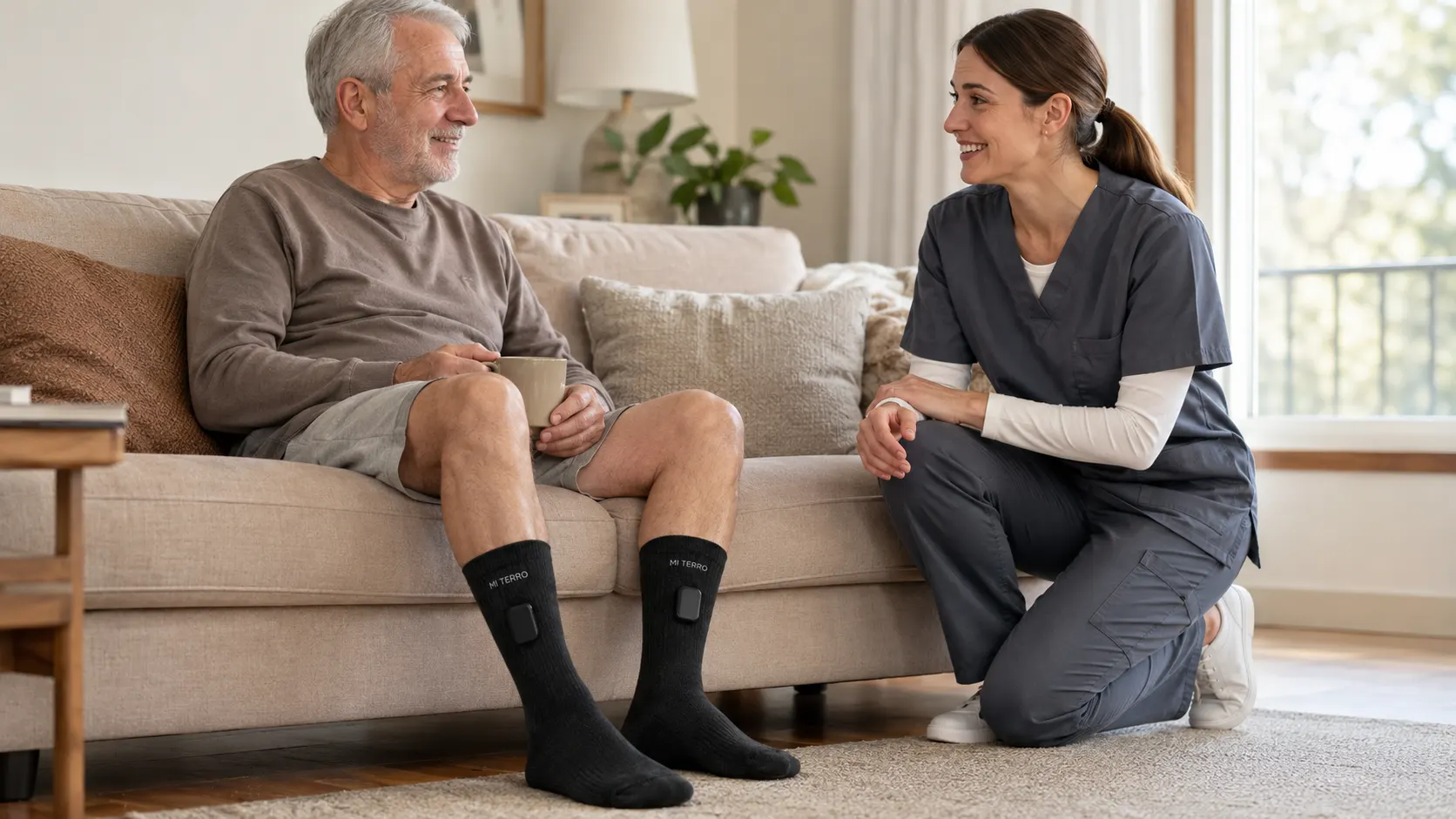
Diabetic Foot Ulcer Warning Signs to Check Every Day
Learn the visible warning signs of a diabetic foot ulcer, what foot-temperature studies have found, and what to check daily.
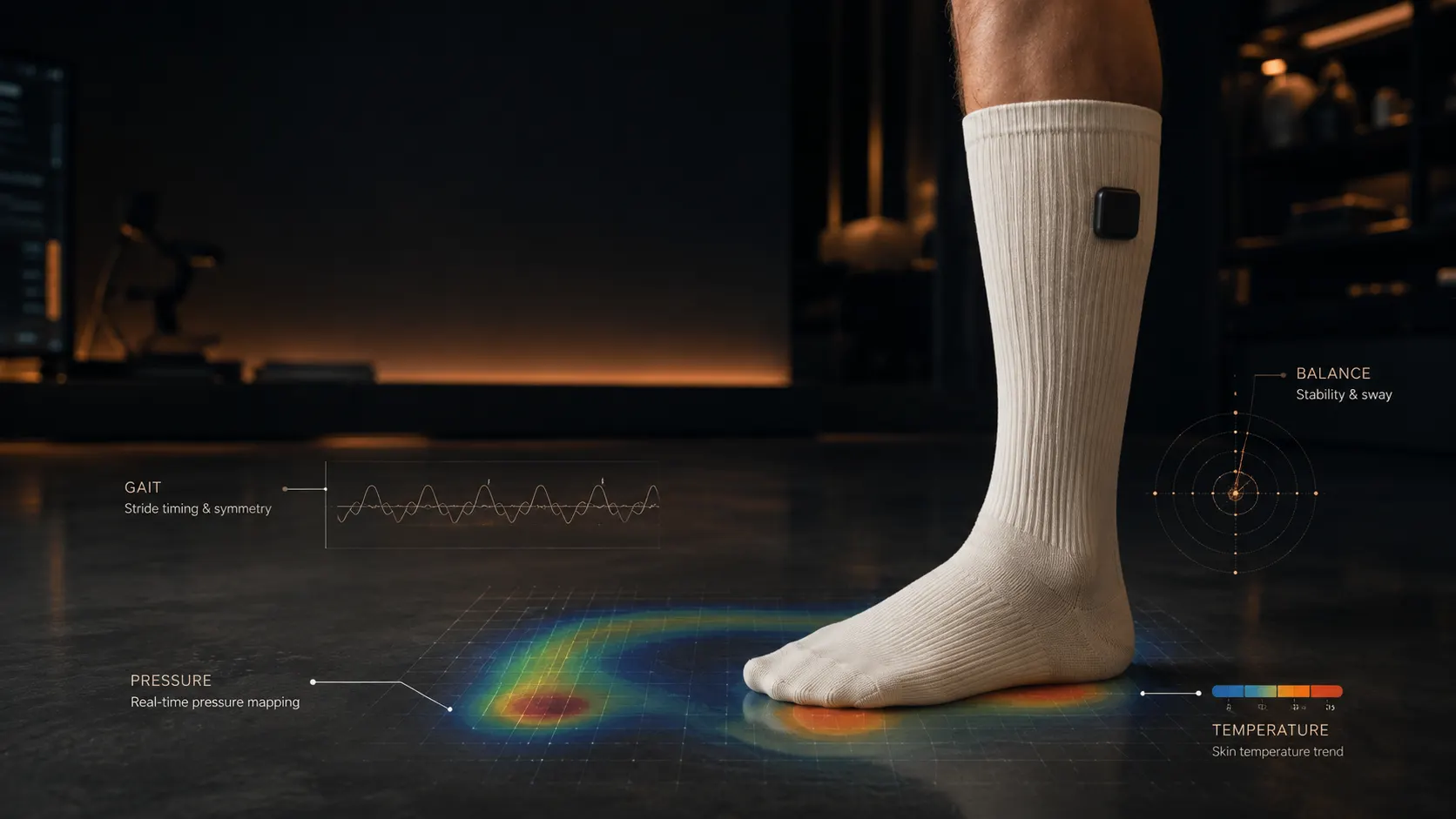
Foot Temperature Monitoring for Diabetes: What the Evidence Actually Says
Foot-temperature monitoring has been studied in people at high risk of diabetic foot ulceration. Learn the 2.2 C protocol, mixed trial findings, and practical limits.
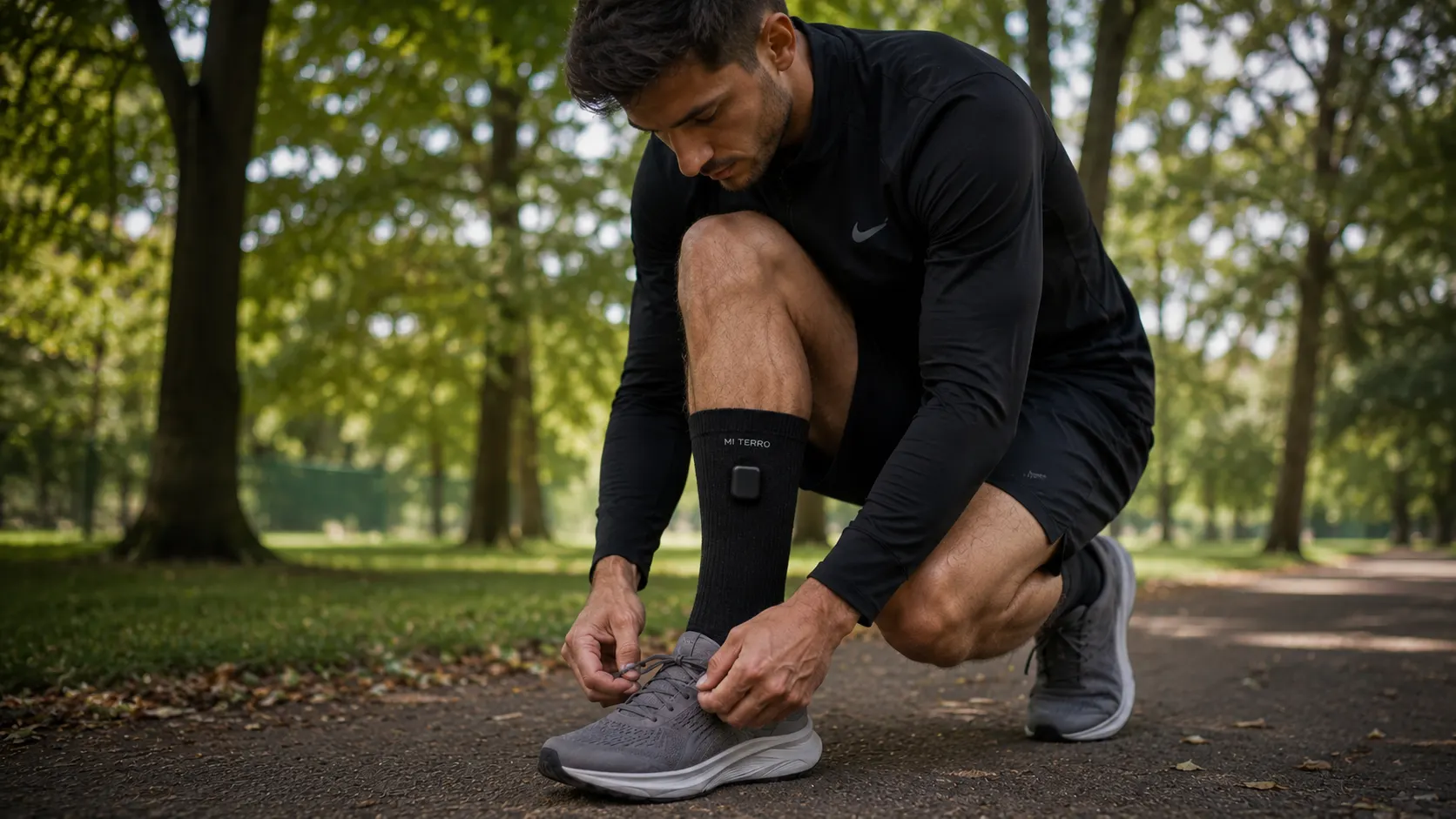
Running Overuse Injuries: What Load and Gait Can Tell You
Running overuse injuries reflect a complex interaction of training load, tissue capacity, biomechanics, and recovery. Here is what current evidence supports.
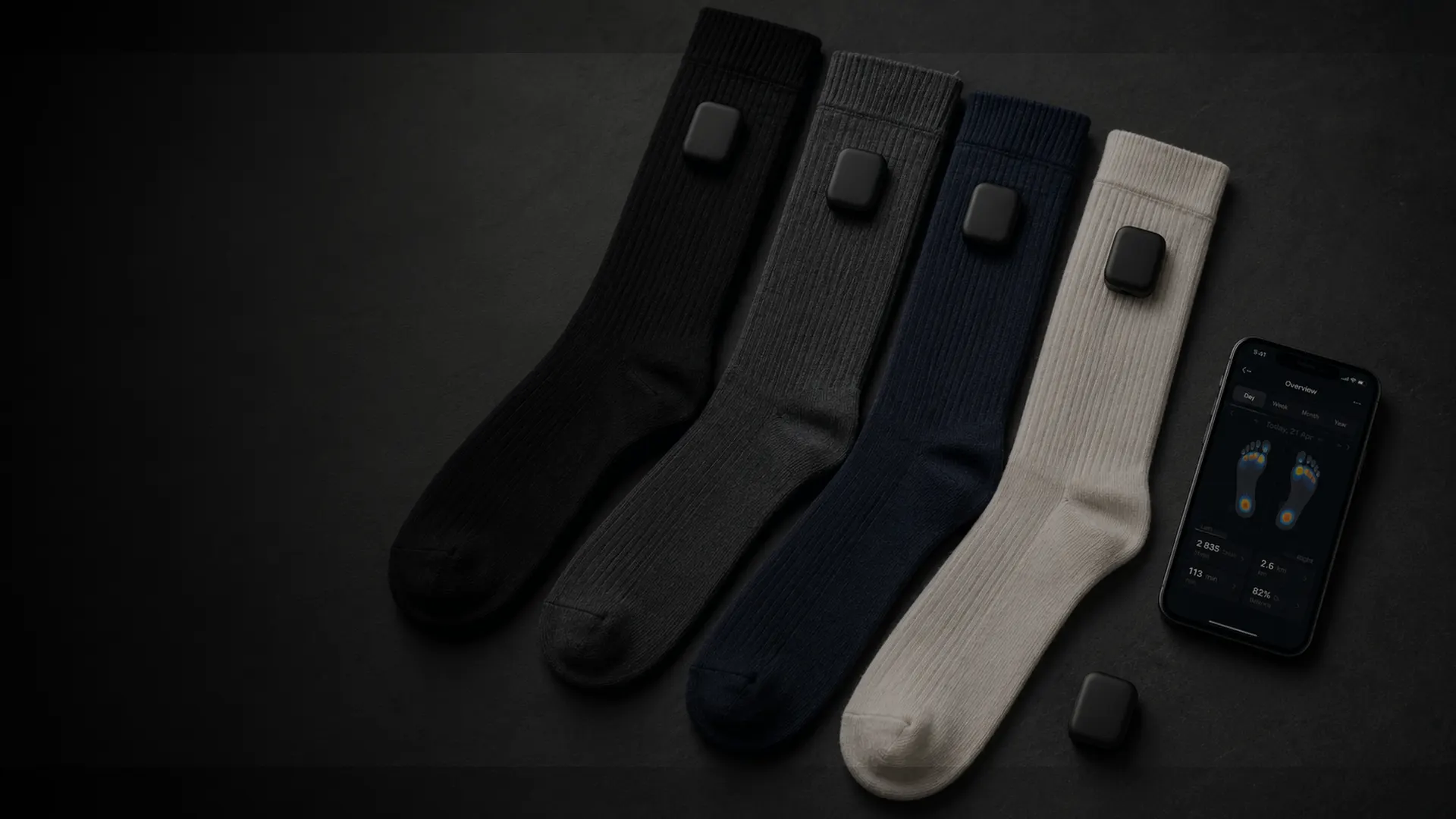
Smart Socks vs Smartwatch: What a Wrist Device Cannot Measure
Smartwatches are excellent at heart rate and steps and poor at foot-level data. Here is exactly what each measures and where the gap is.
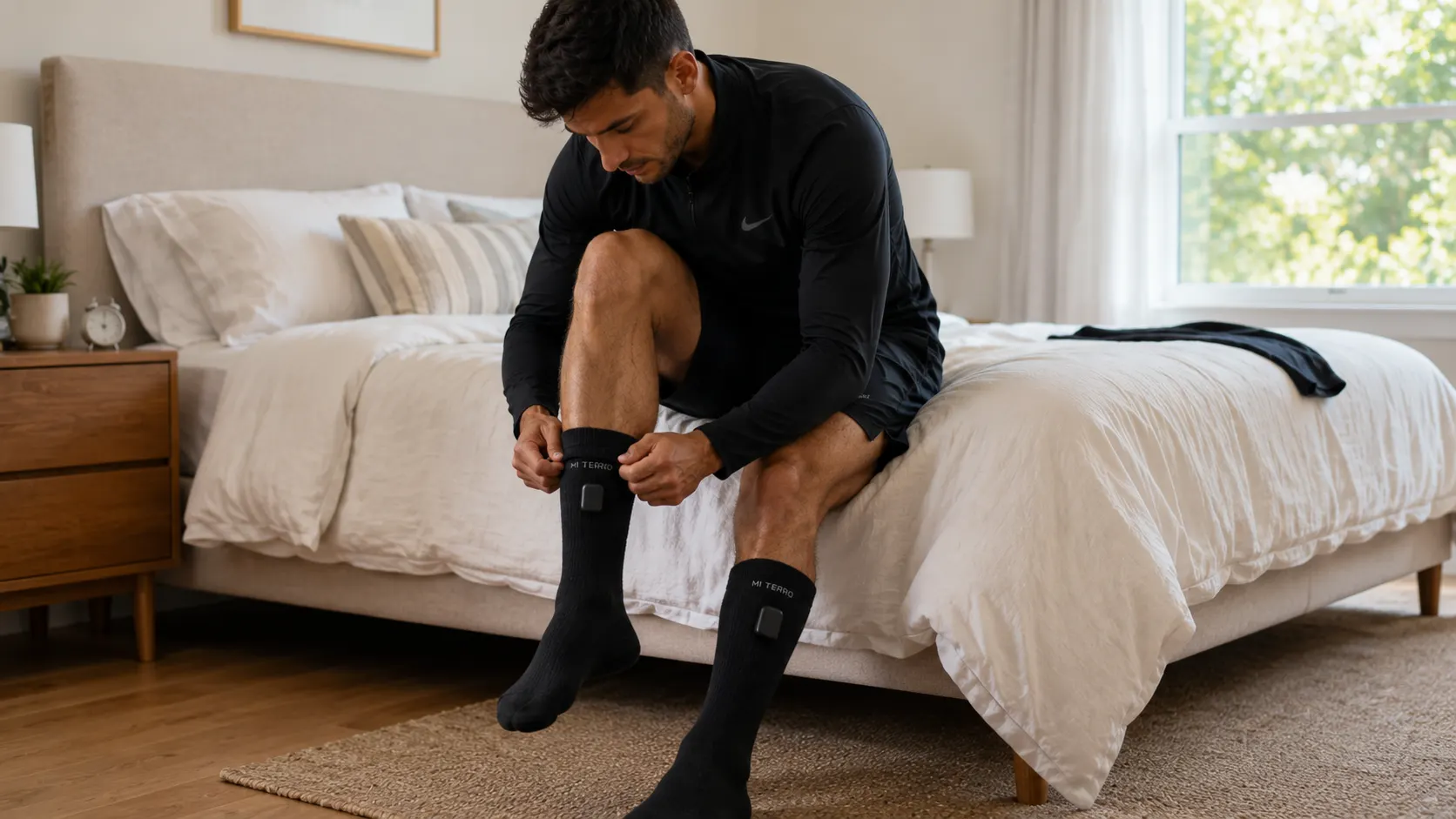
Peripheral Neuropathy: Why Lost Sensation Increases Foot Risk
Diabetic peripheral neuropathy removes the pain that protects your feet. Learn the symptoms, the 10g monofilament test, and what to do about lost sensation.
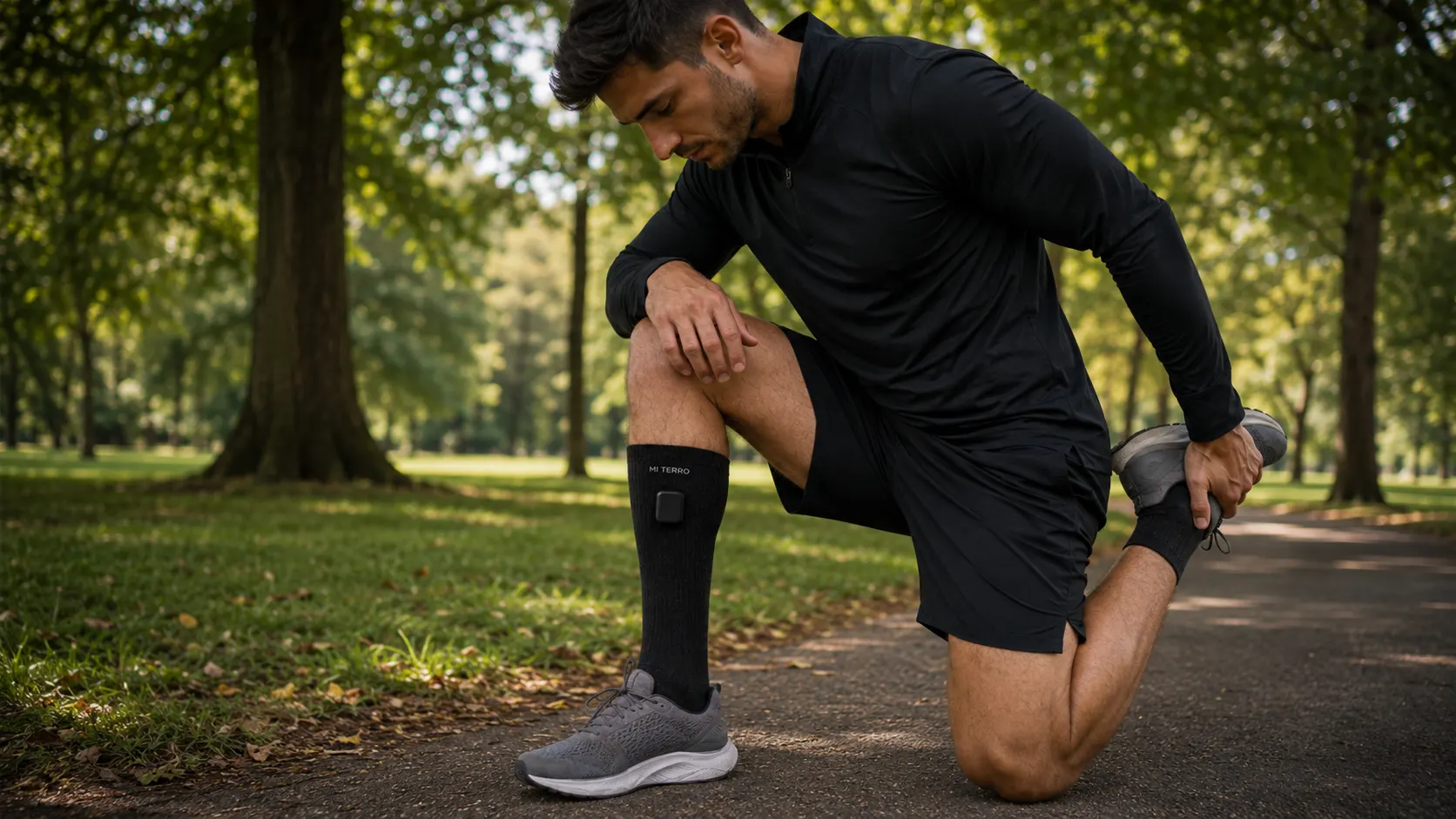
Plantar Fasciitis: Where Load, Capacity, and Recovery Fit
Plantar heel pain has several contributors. Learn how activity, standing, tissue capacity, footwear, and rehabilitation may fit together.
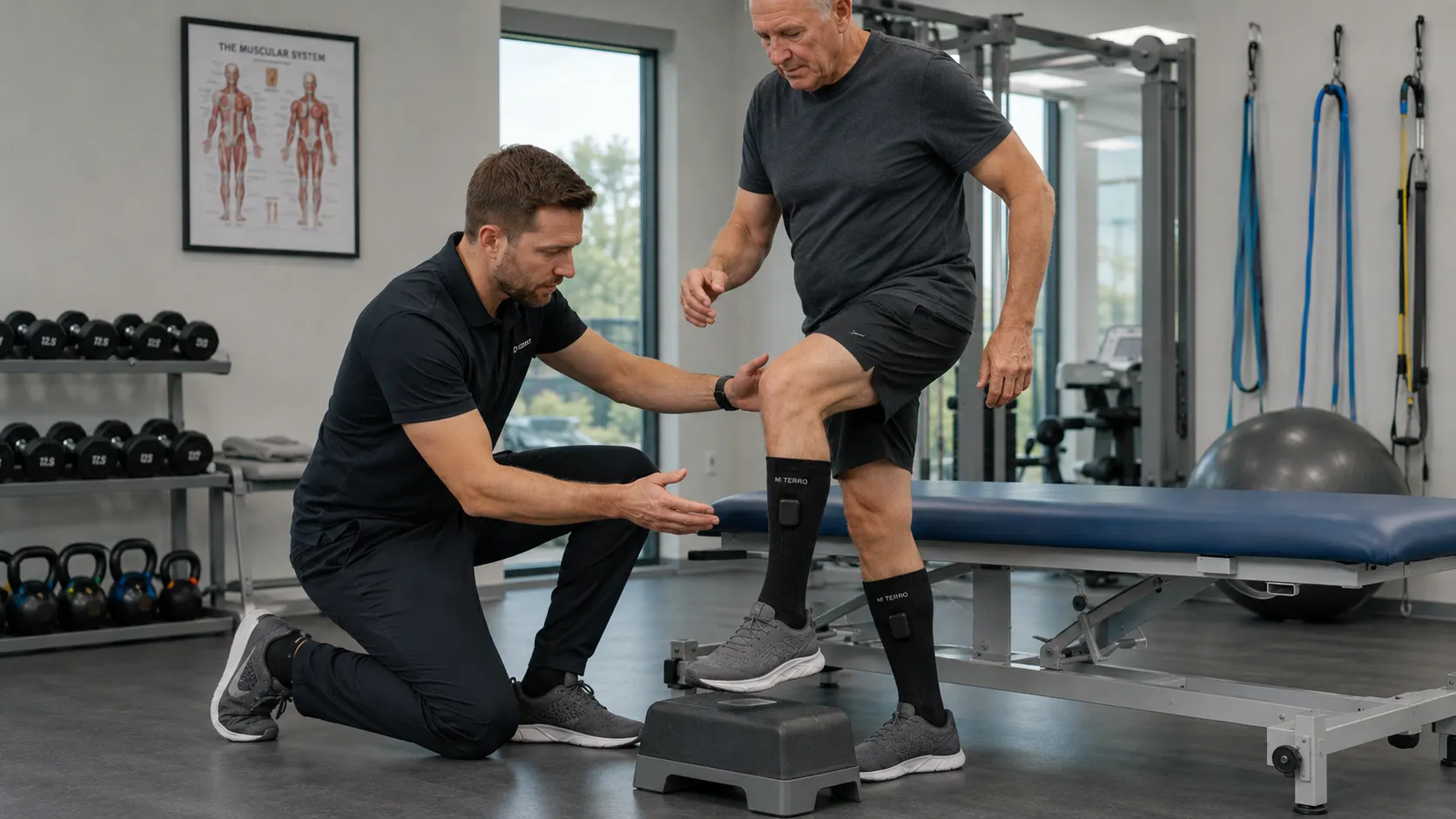
Gait Changes Associated With Fall Risk in Older Adults
Falls are a leading cause of injury in older adults. Learn which gait measures are associated with risk and which interventions have stronger evidence.
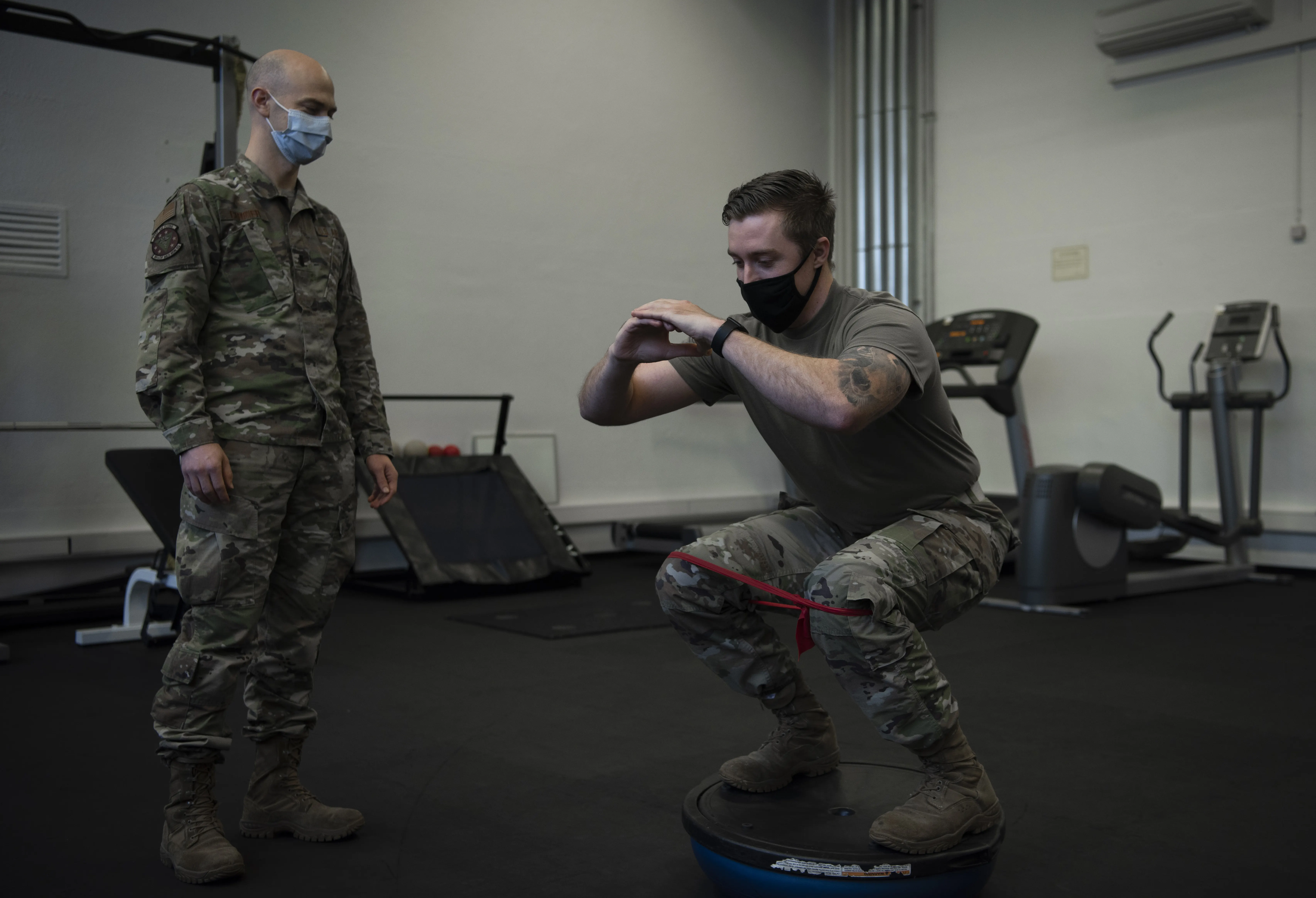
Tracking Load During Post-Surgical Foot Recovery
Return to weight-bearing after foot or ankle surgery is a balance between doing too much and doing too little. Here is how to think about it.
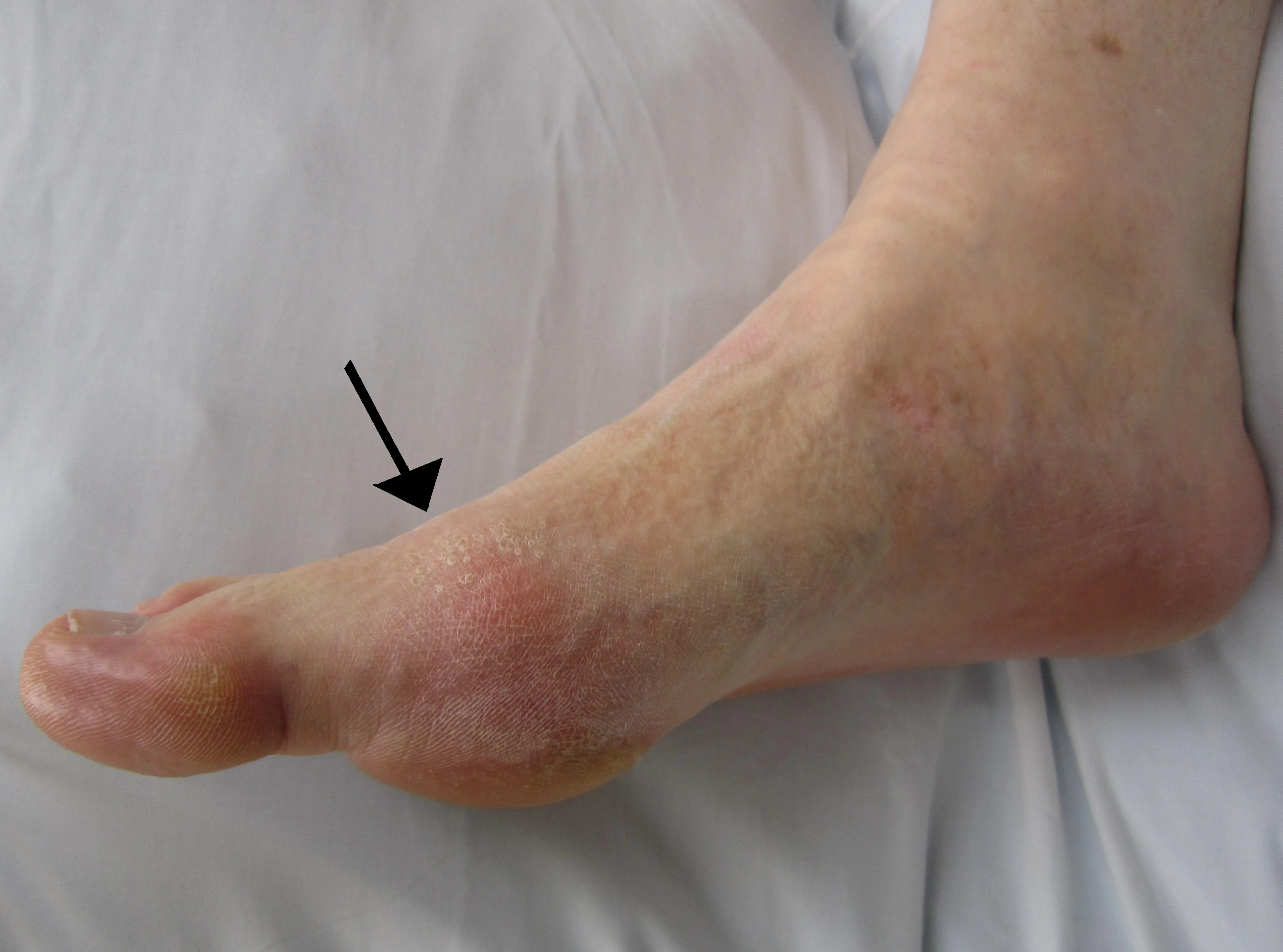
Gout Flares: What Temperature Can and Cannot Tell You
Gout flares can make a joint hot, swollen, and painful. Learn what temperature may show and why wearable prediction remains a research question.
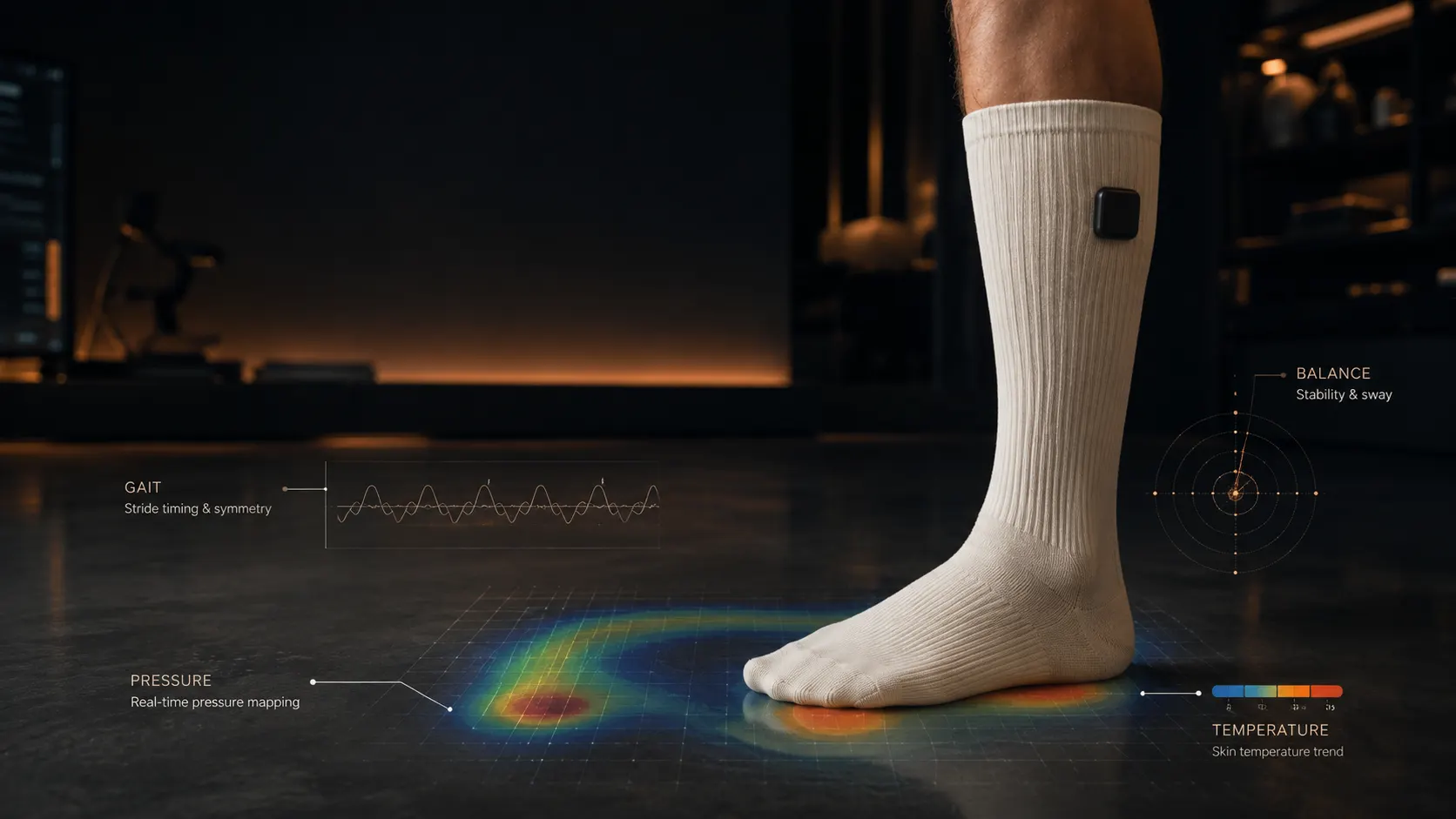
Plantar Pressure Mapping: What Those Heat Maps Actually Mean
Pressure maps of the foot are everywhere in clinics and marketing. Here is what plantar pressure is, why peak pressure matters, and how to read one.
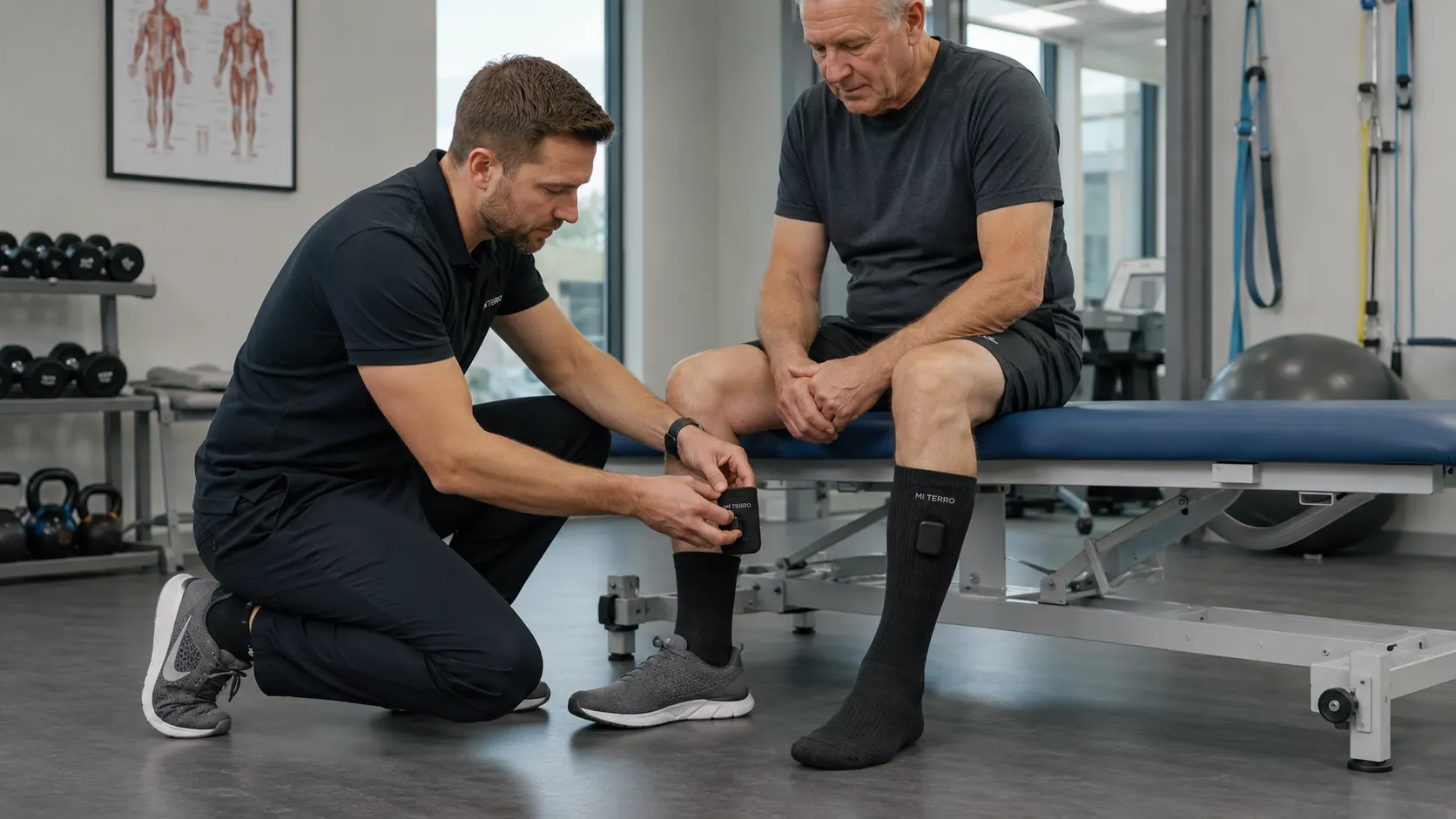
Charcot Foot: Hot Swelling Needs Urgent Care
Charcot neuroarthropathy can destroy the architecture of the foot in weeks. The earliest sign is a hot, swollen foot. Here is what to know.
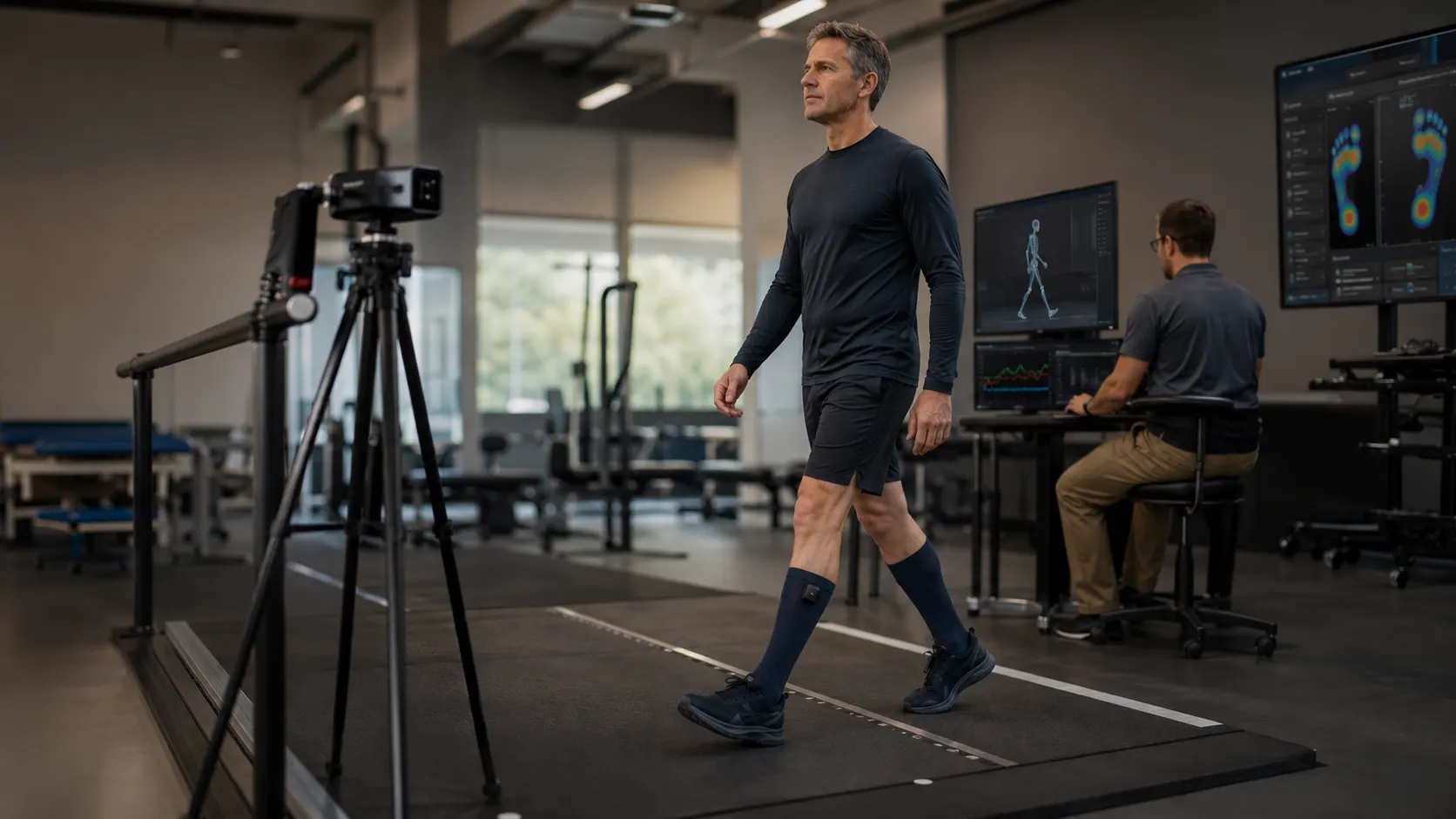
Gait Asymmetry: What It Means and What It Does Not
Gait asymmetry is measurable, popular in marketing, and frequently overinterpreted. Here is an honest account of what it tells you.
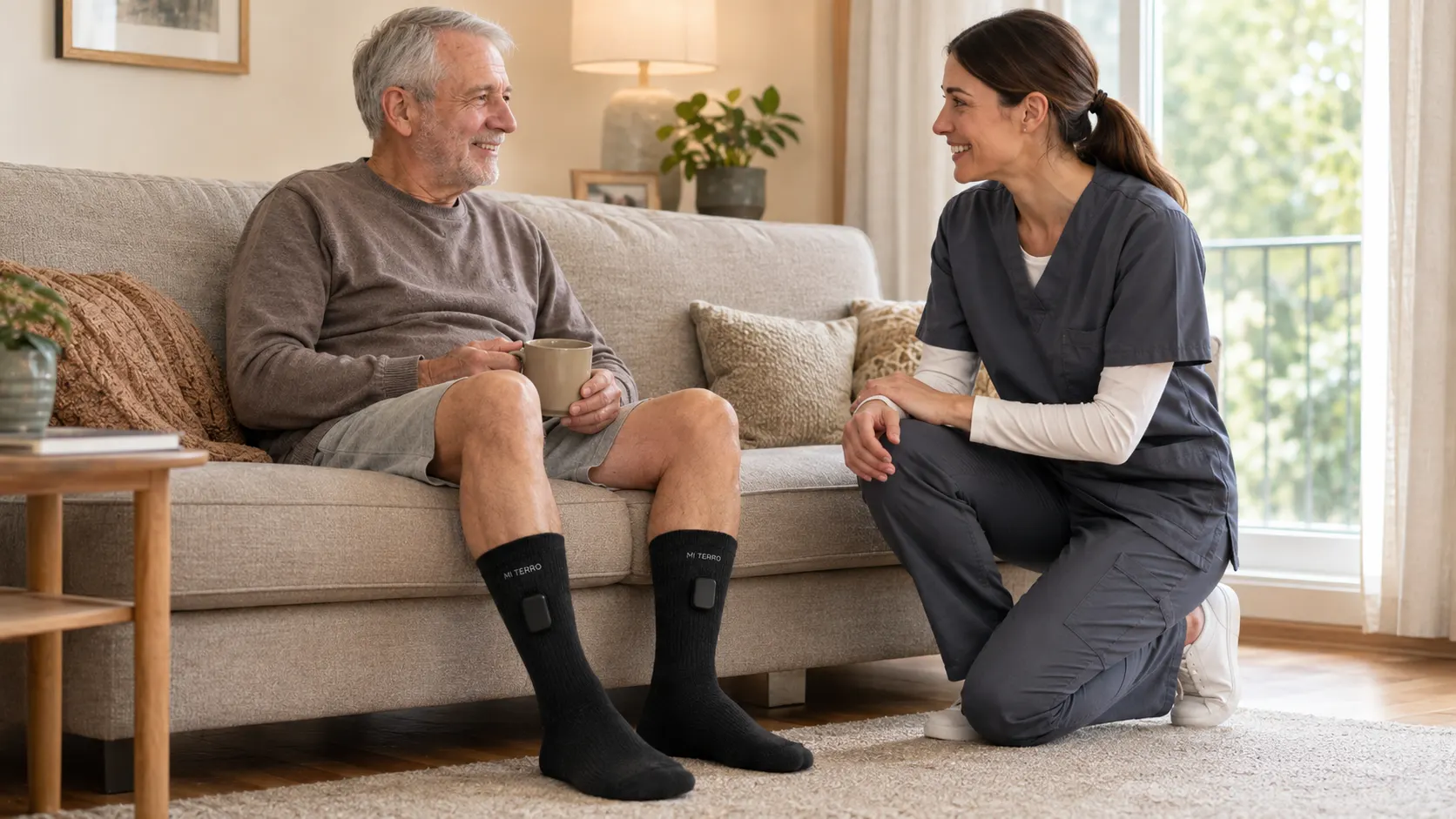
The Daily Diabetic Foot Care Checklist
A practical, evidence-aligned daily foot care routine for people with diabetes, plus the red flags that need same-day medical attention.
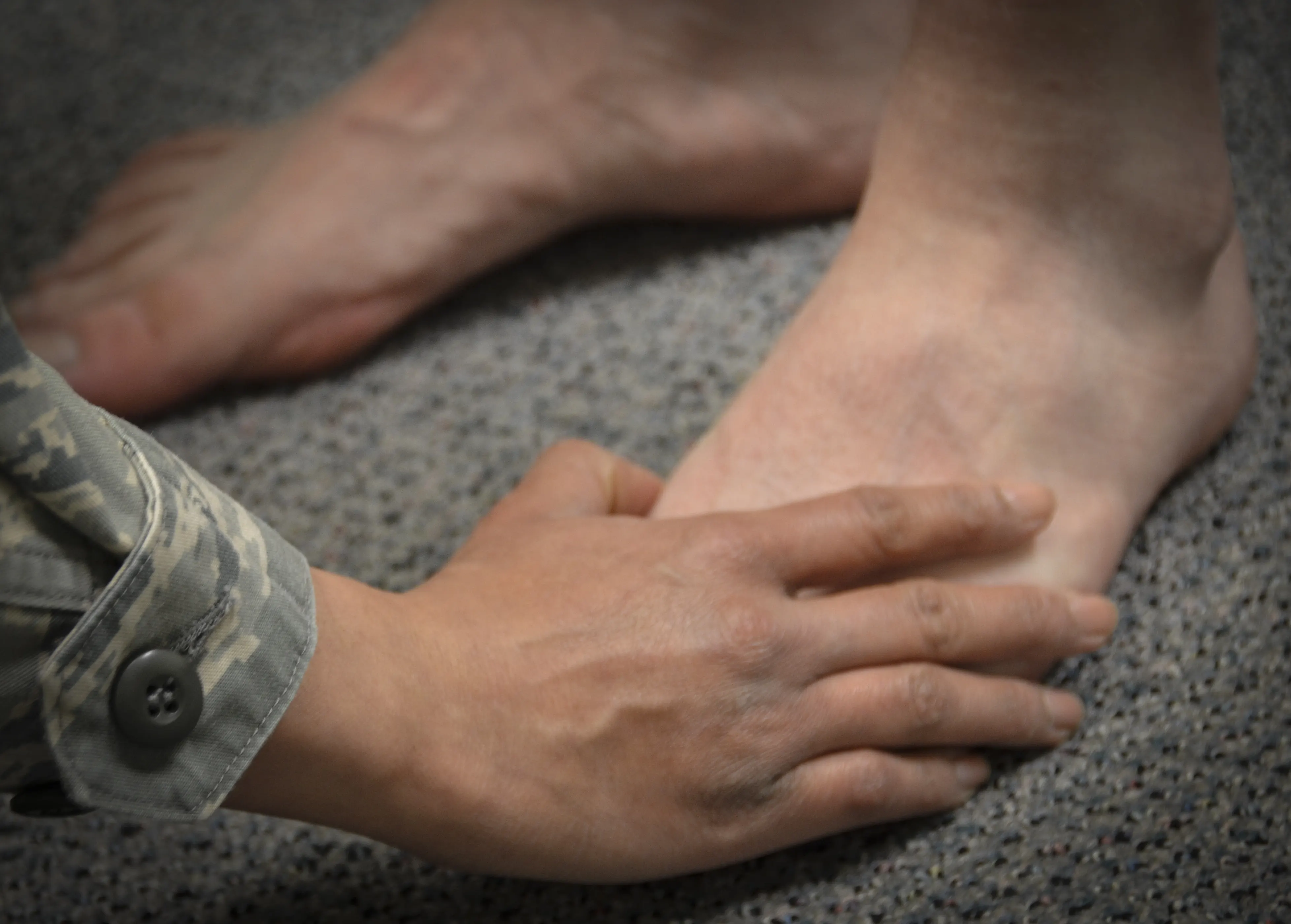
Returning to Running After Injury
A gradual return balances tissue capacity, symptoms, training load, and professional guidance. Learn what to track and what a wearable cannot decide.
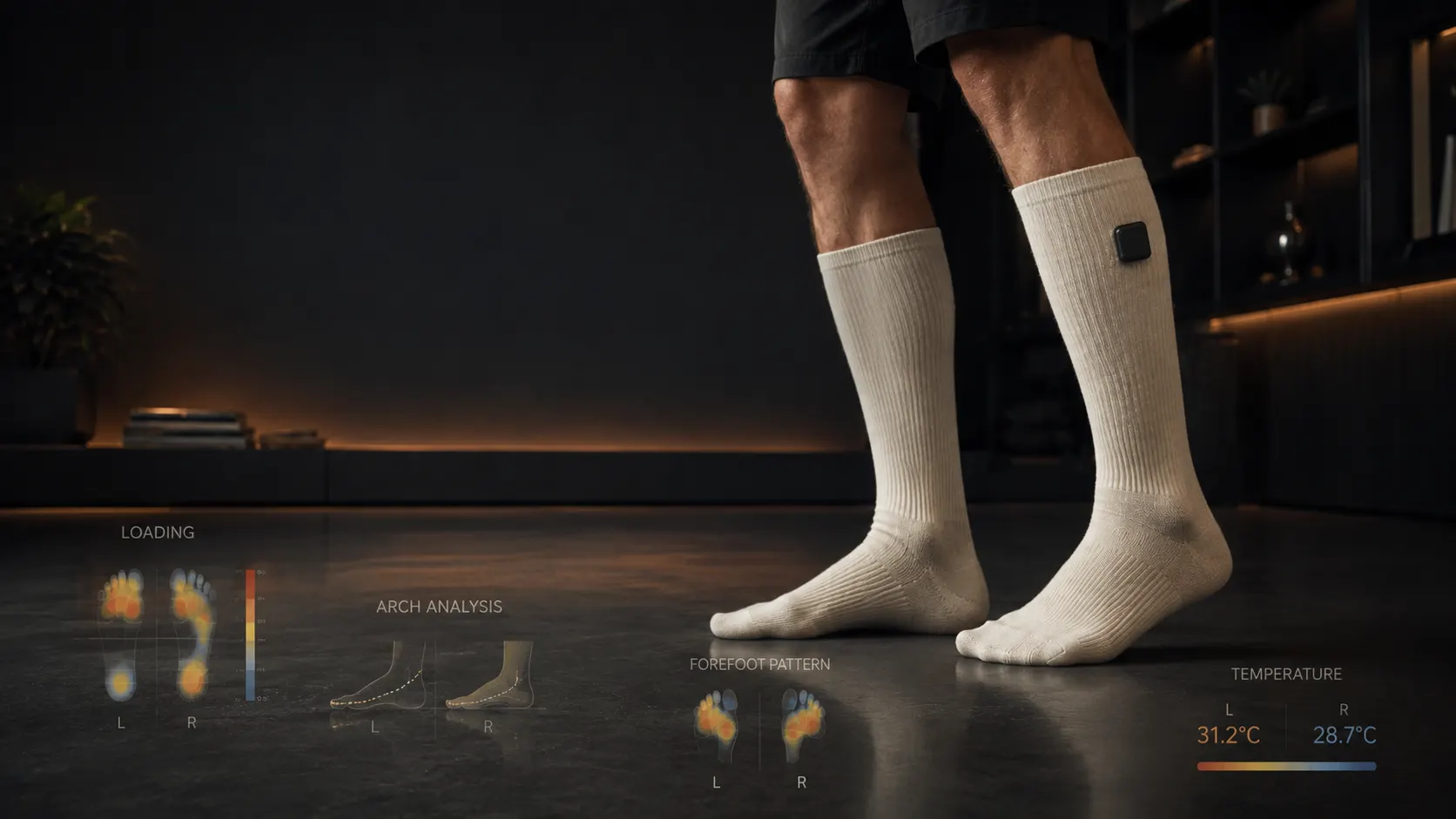
Foot Health When You Stand All Day
Prolonged standing is associated with leg swelling, fatigue, discomfort, and musculoskeletal symptoms. Learn which workplace changes may help.

What Is a Textile Sensor? Smart Fabric, Explained Without the Hype
Textile sensors put measurement into the fabric itself. Here is how they work, what they can and cannot do, and why the sock is a good place for them.
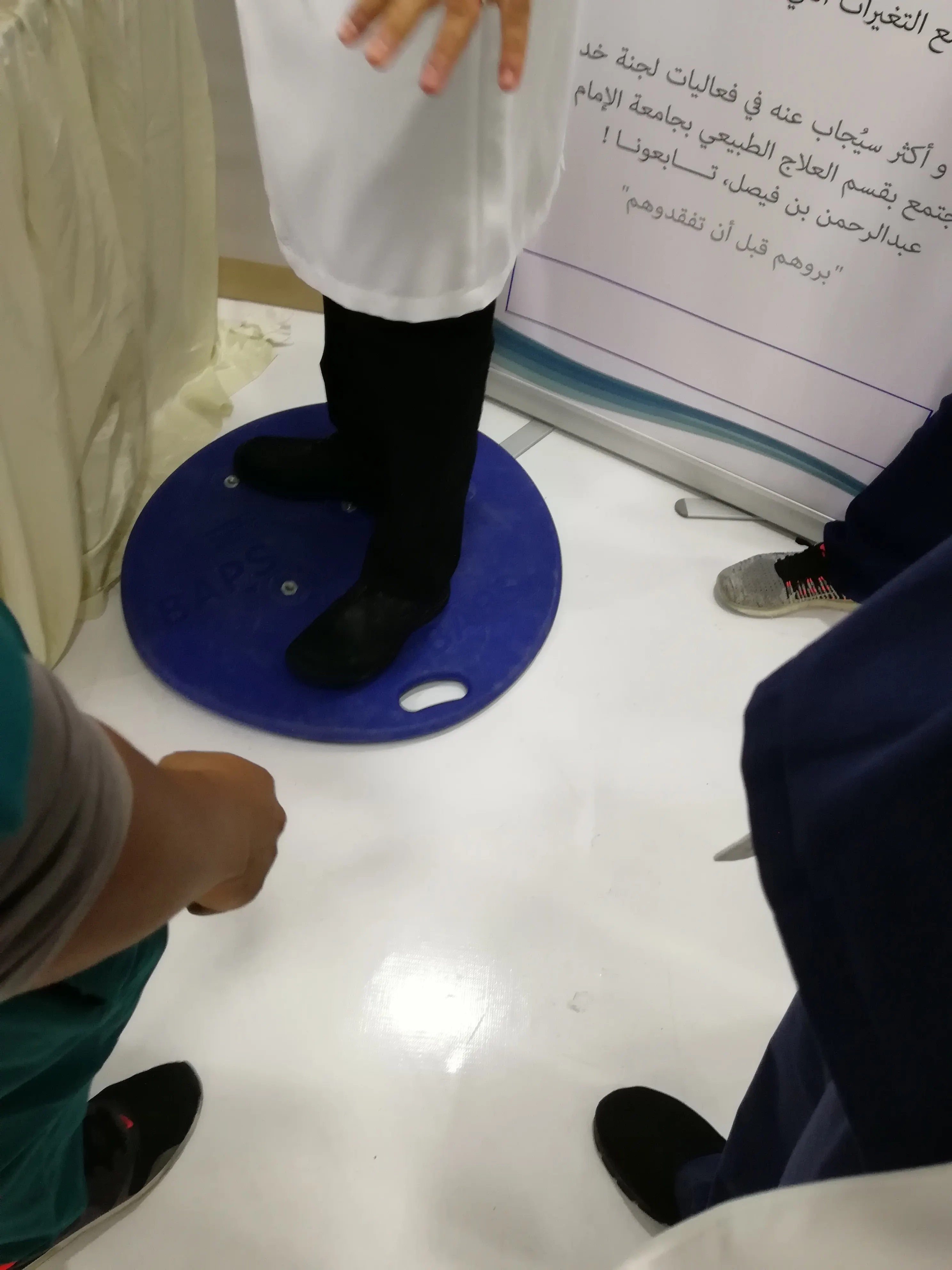
Foot and Ankle Swelling: What It Means and When to Worry
Swollen feet range from harmless to a medical emergency. Here is how to tell the difference, and the asymmetry rule that matters most.
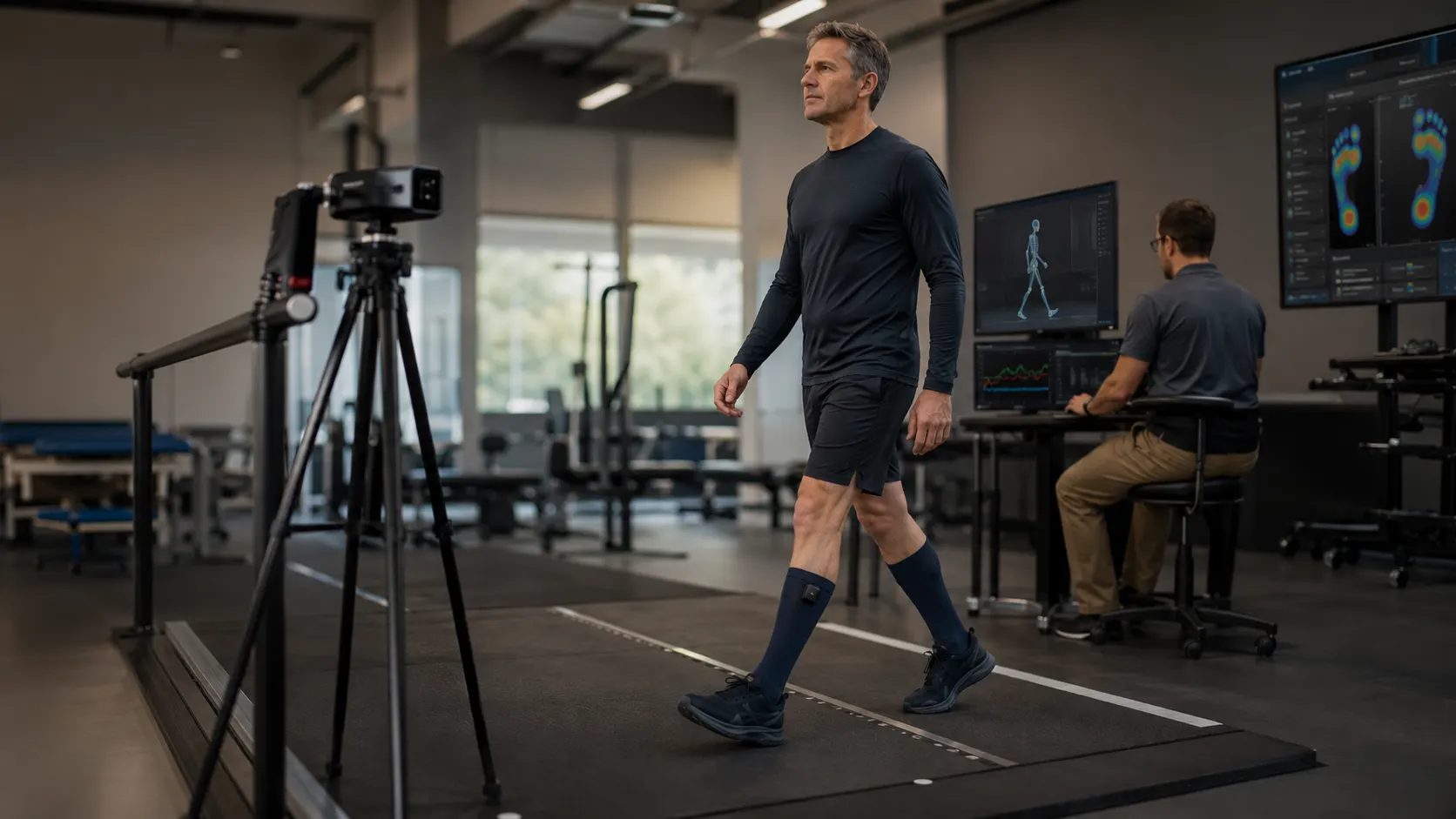
Walking Speed: A Useful Mobility Marker
Walking speed is associated with important health and mobility outcomes in older adults. Learn why trends can be useful without becoming a diagnosis.
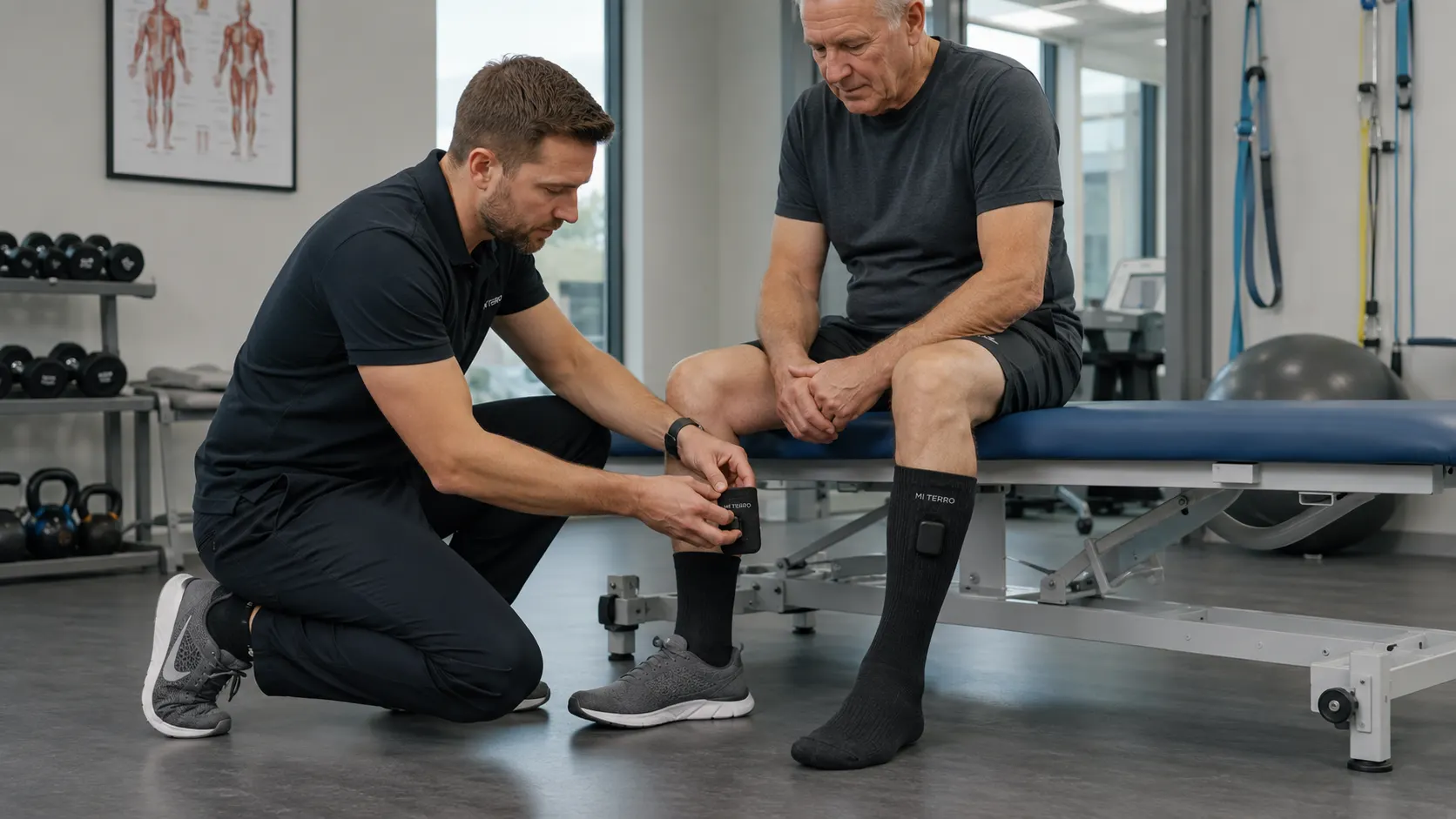
How Often Should Diabetic Feet Be Checked? Risk Categories Explained
Screening frequency for diabetic feet depends on your risk category. Here is how risk is stratified and what each level means for you.

What Gait Changes Can and Cannot Tell You About Health
Gait is a sensitive but non-specific signal. Learn what a personal gait trend may reveal, what it cannot diagnose, and how to interpret change responsibly.