Know your load
See where each foot takes the most pressure.

MI TERRO SMART SOCKS PATENT PENDING
Mi Terro is designed to flag concerning foot changes, explain what needs attention, and help you share updates with family, caregivers, and doctors.
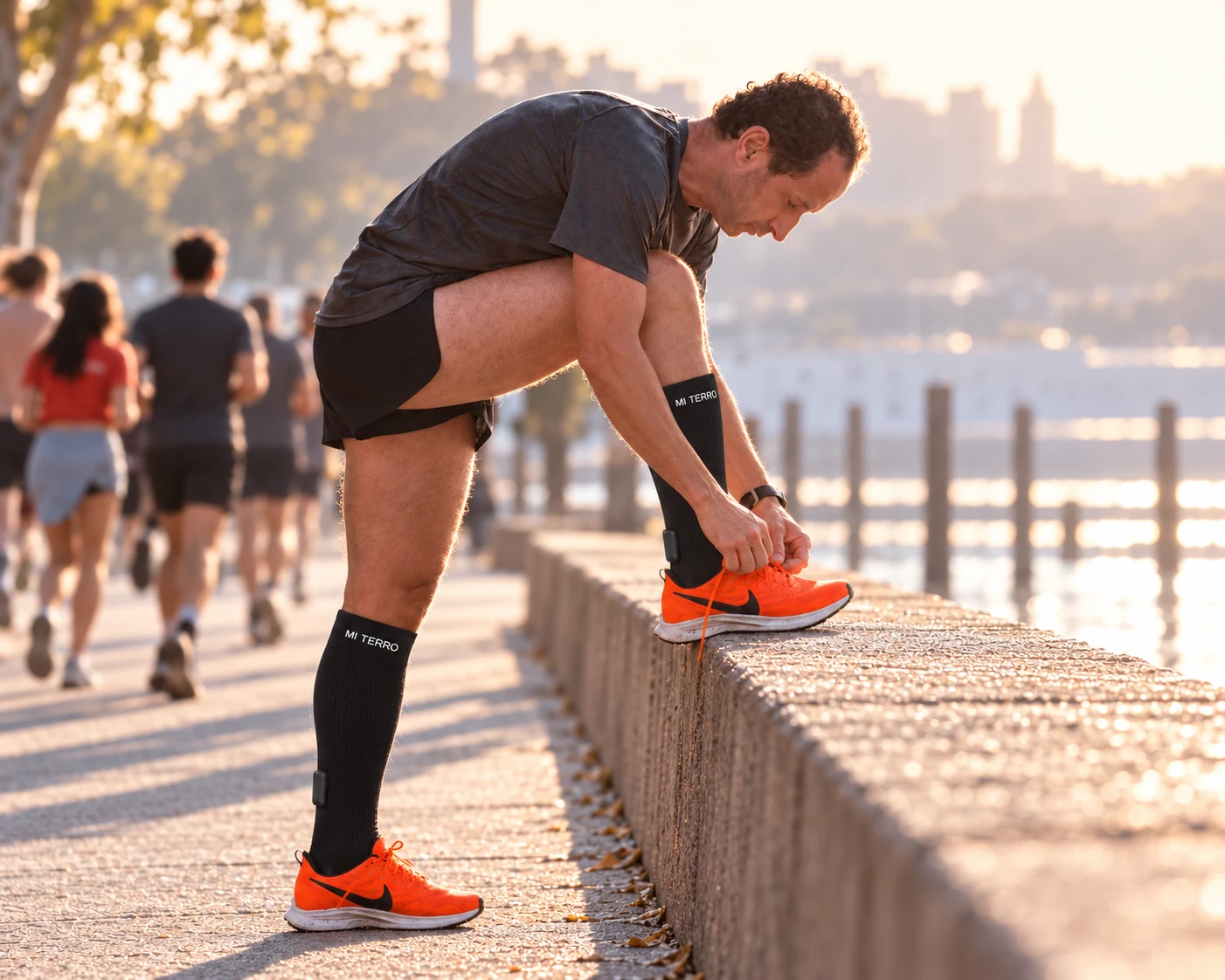
Know when pressure, heat, or walking patterns change, what to check next, and who to keep informed.
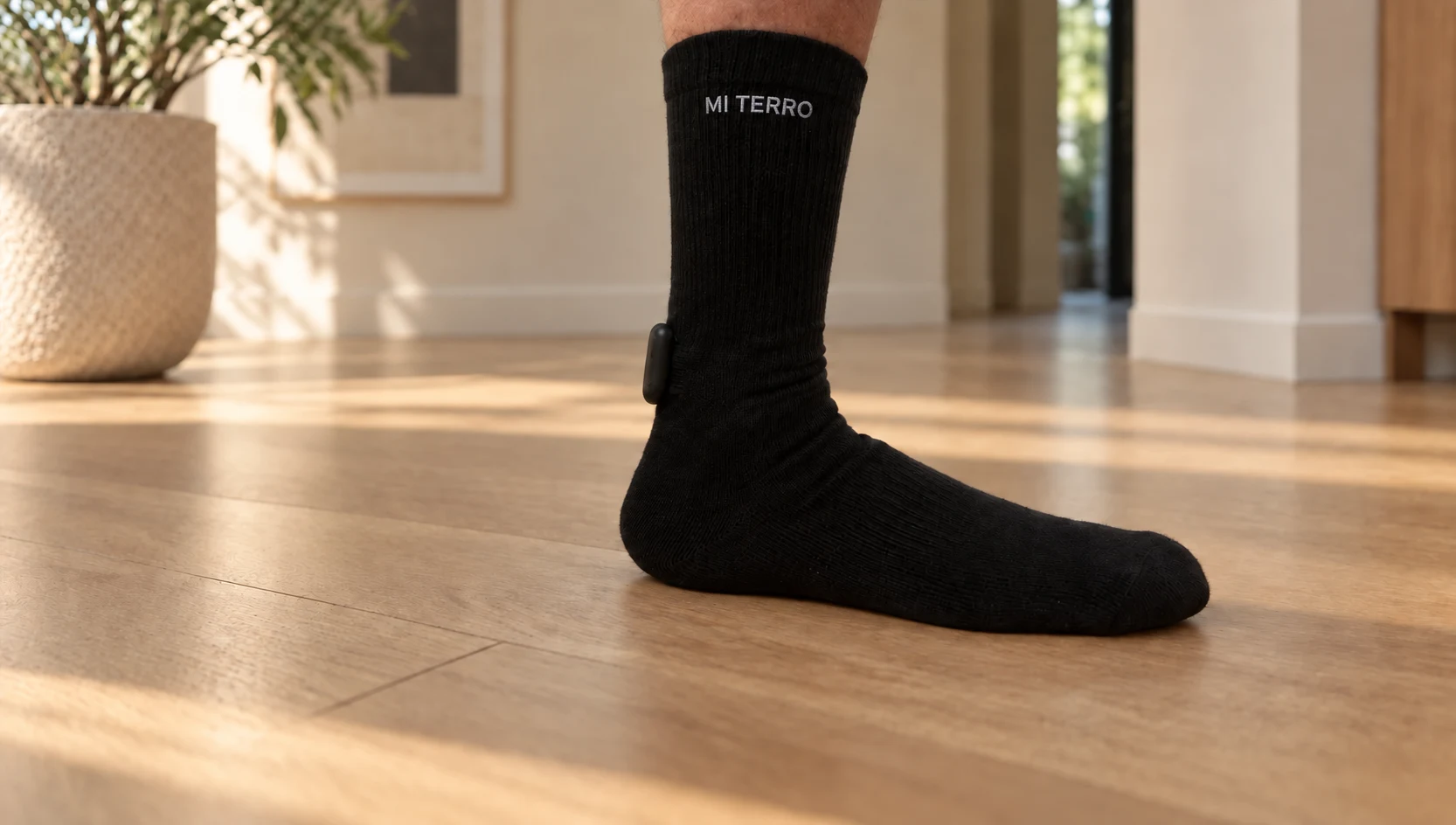
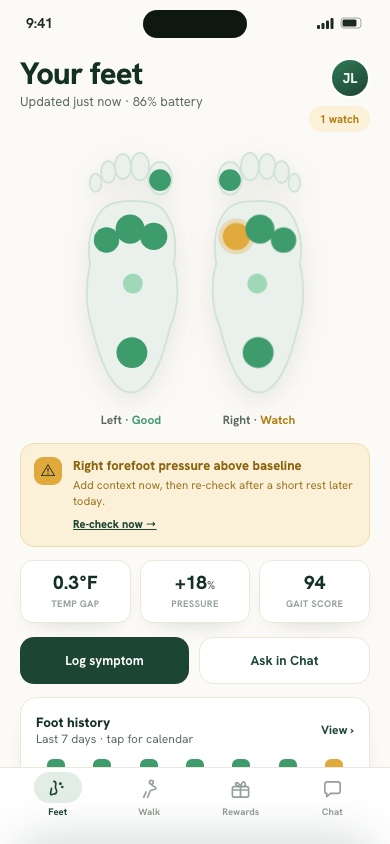
See where each foot takes the most pressure.
Compare temperature trends across both feet.
Notice changes in movement and symmetry.
Connect foot signals with daily movement.
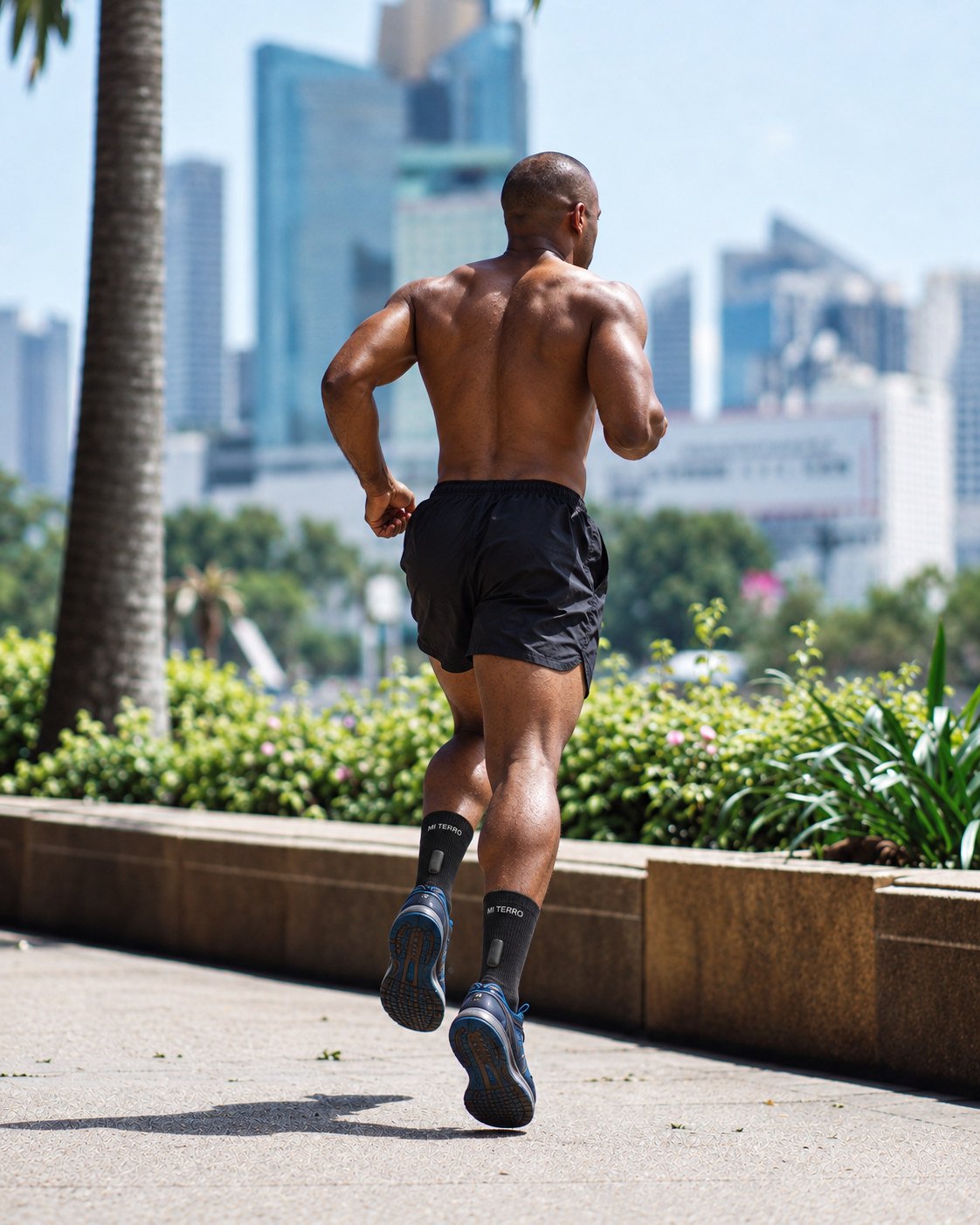
Running
See how each foot loads on every run. Refine your stride, train for speed, and spot overuse patterns before they sideline you.
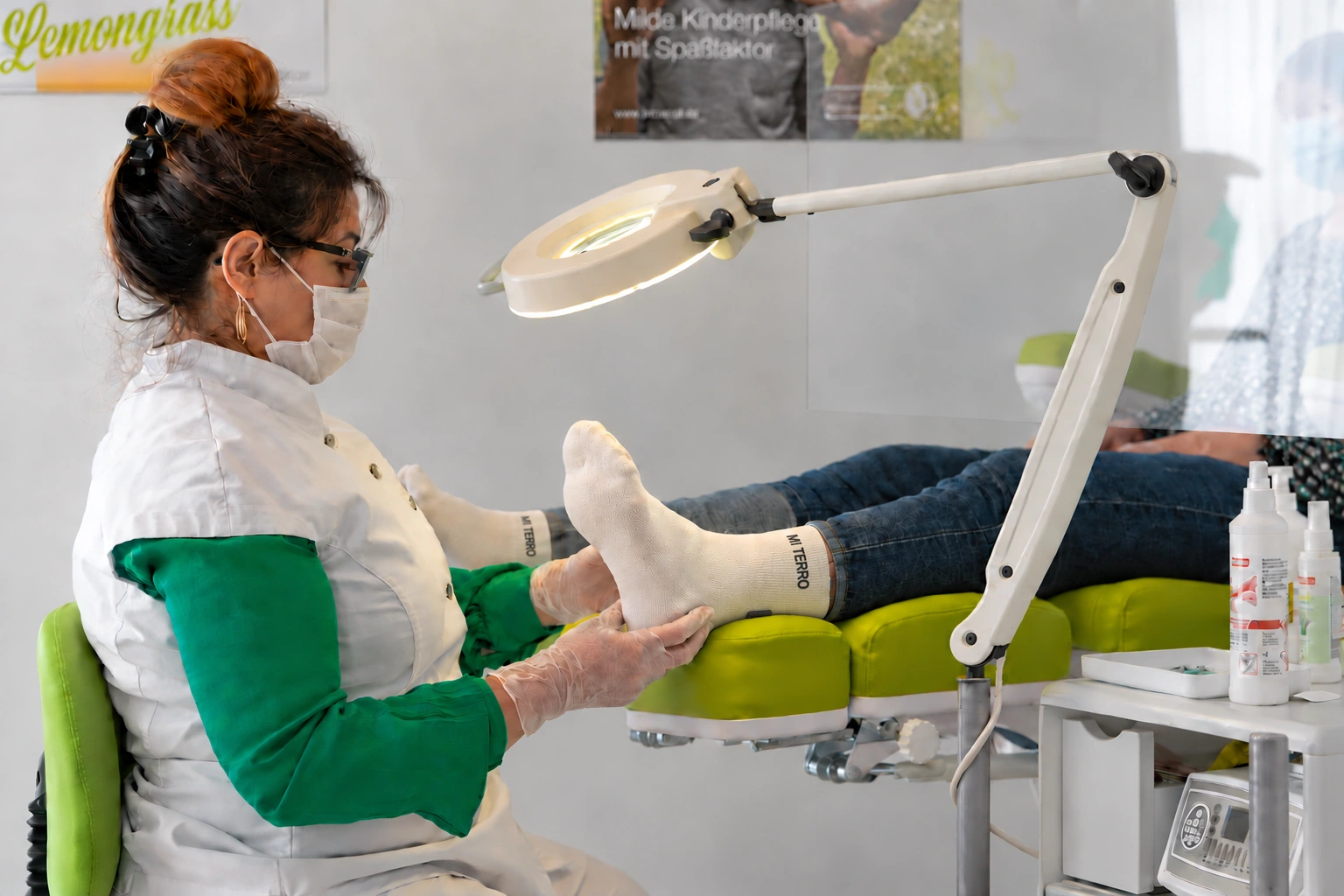
Diabetes
Neuropathy can hide the warning signs. Mi Terro is designed to flag unusual heat or pressure, show which foot needs checking, and help share the change with your caregiver or doctor.
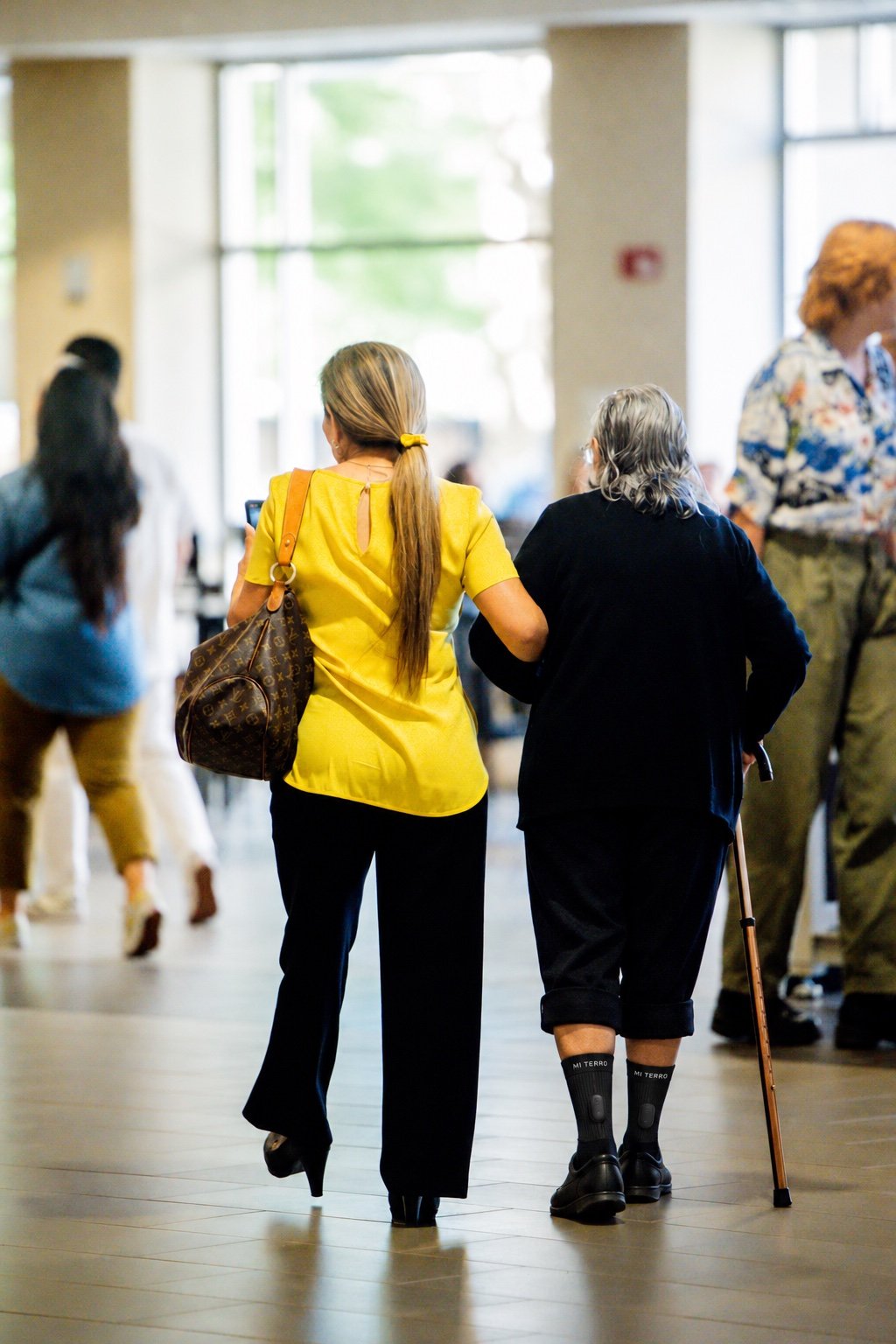
Falls
Shorter steps, slower pace, and side-to-side drift can signal a change. See gait patterns over time and bring them to a care conversation.
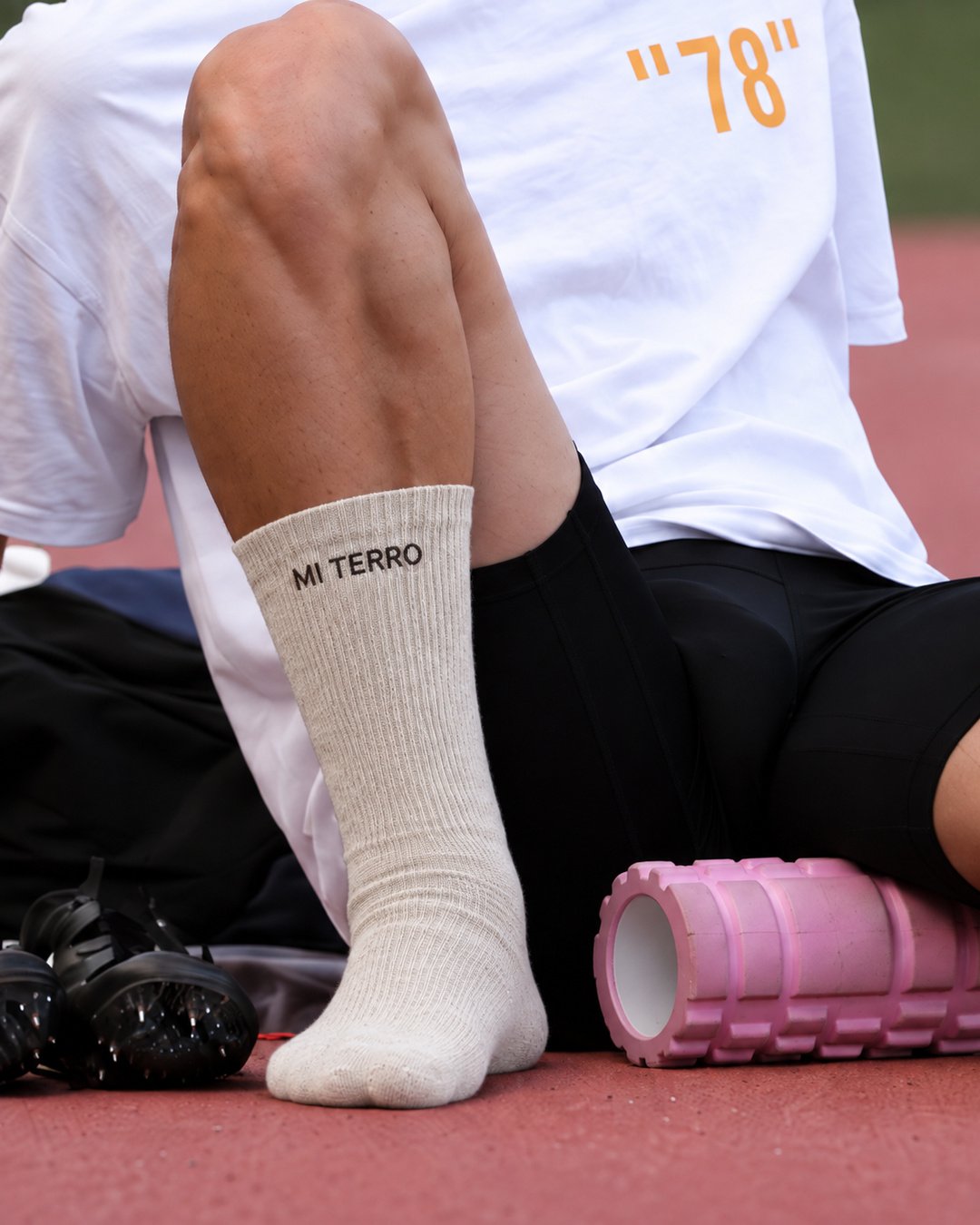
Sports recovery
Hard days leave clues in load and symmetry. Compare each session with your usual pattern before you push again.
Foot-level sensing designed to turn changes into clear warnings you can act on. Remove the module before washing, then wear the socks through your day.
Reserve my pair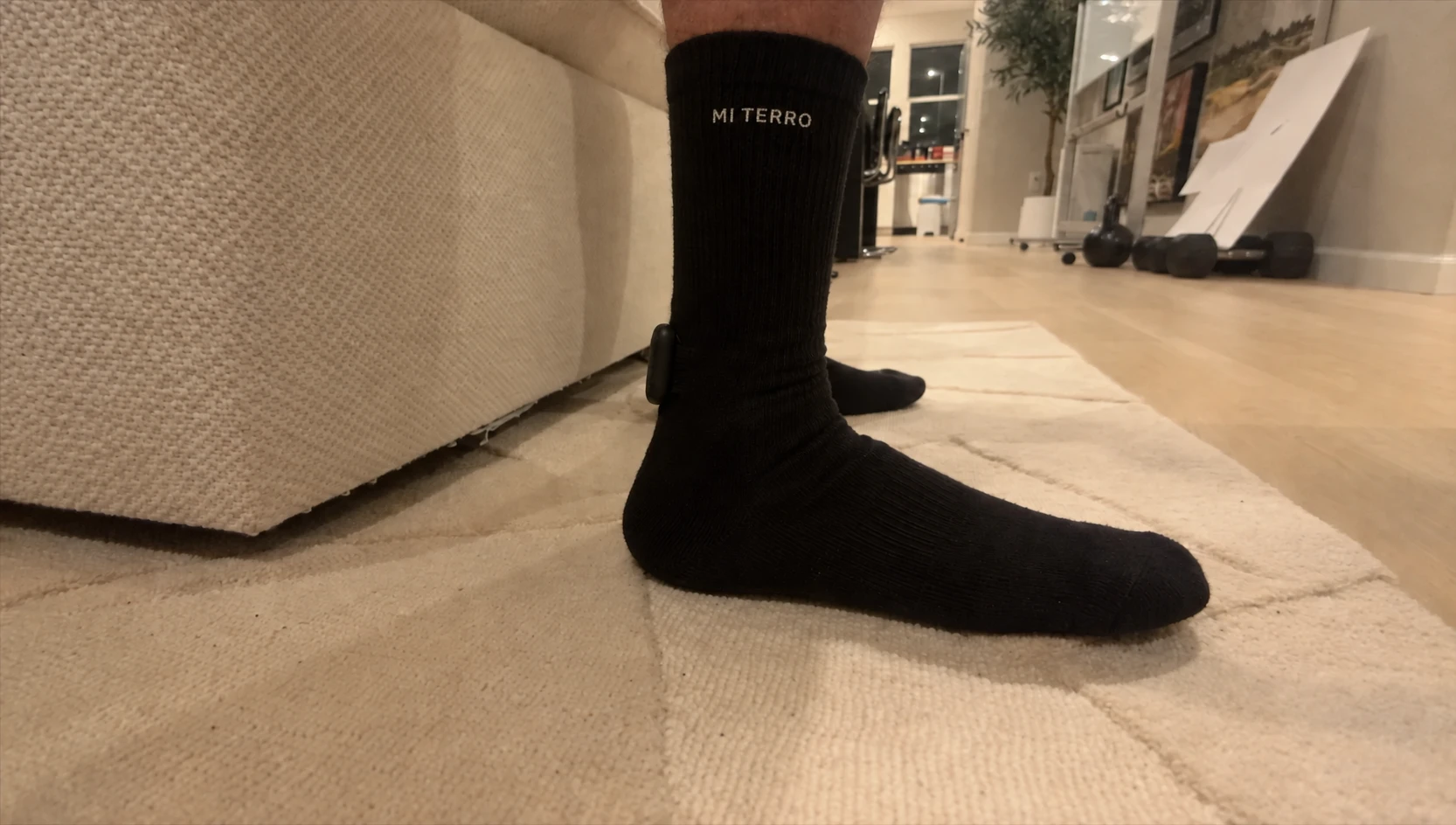
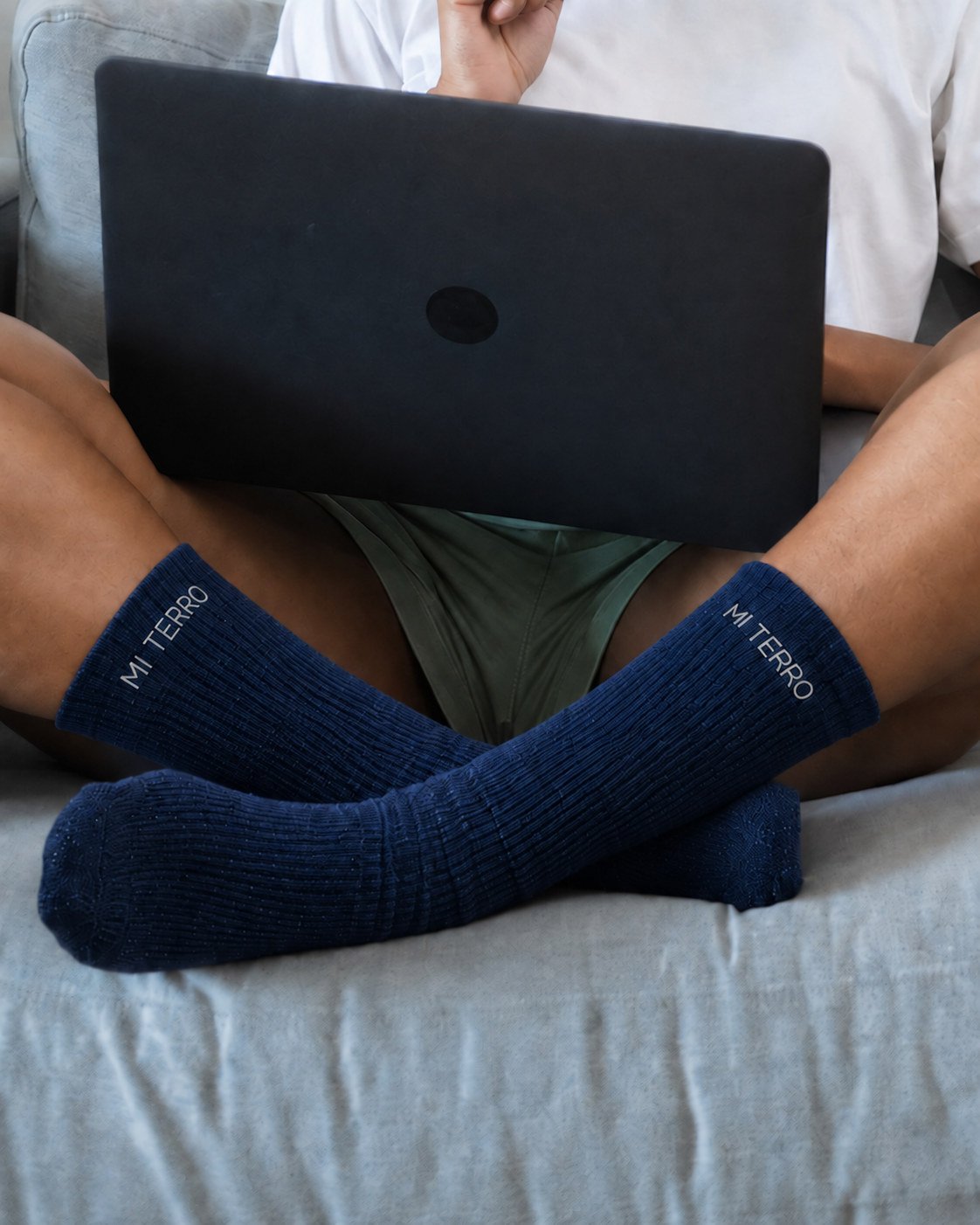
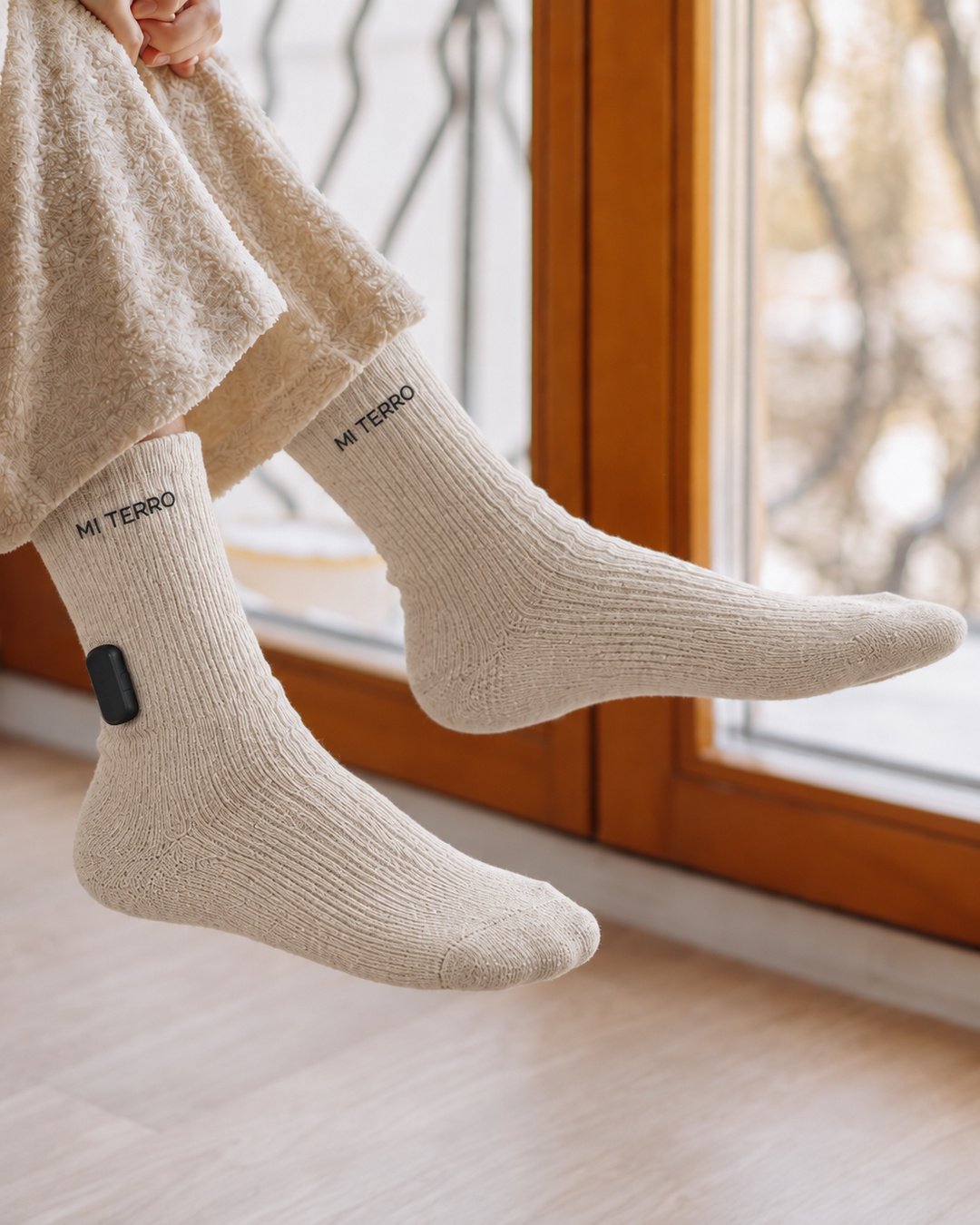
Pick the color that fits your day.

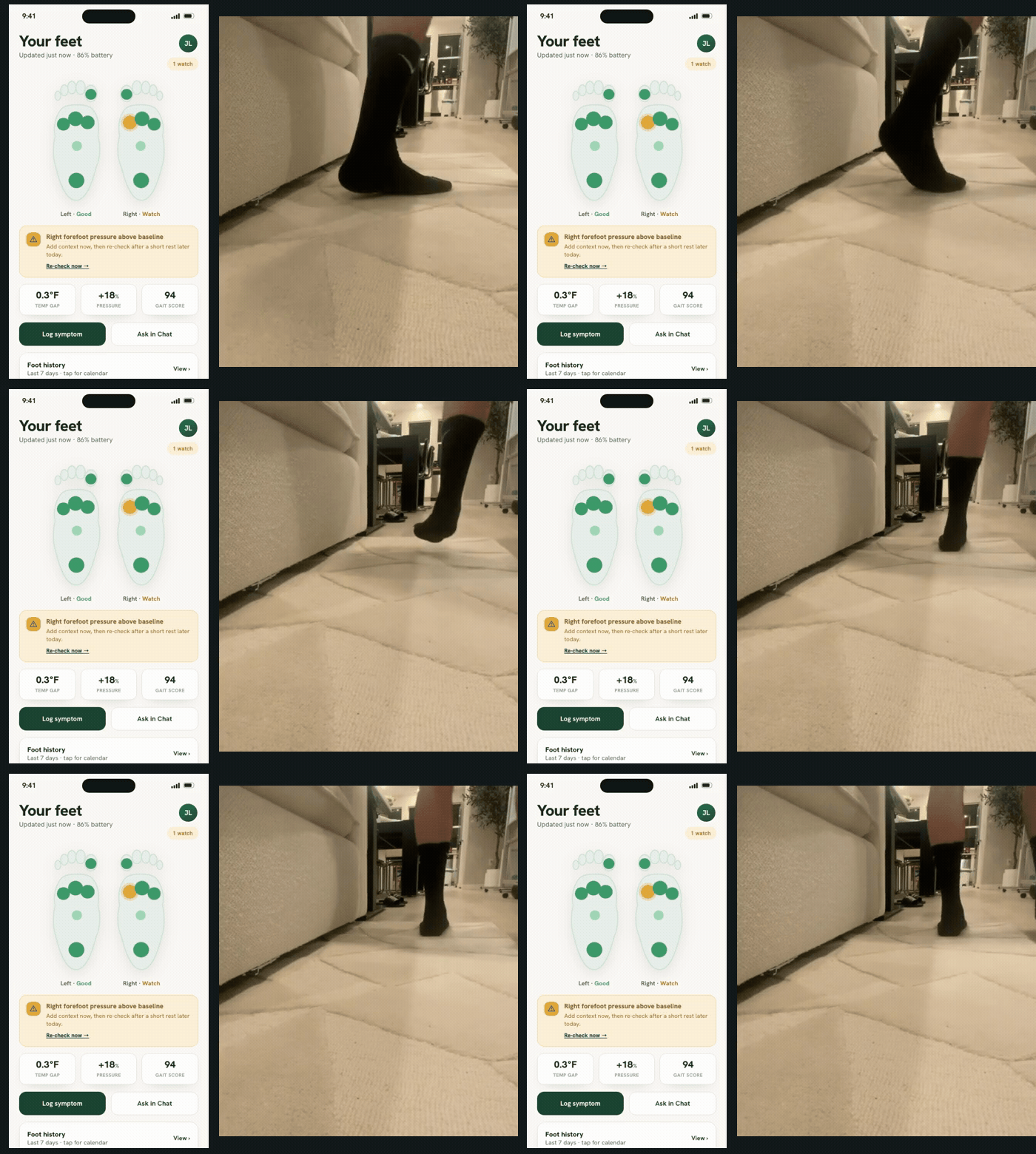
Pressure and gait patterns add a layer of movement data that may help inform mobility research, rehabilitation systems, and physical AI.
Published work on foot temperature, diabetic-foot risk, and mobility informs the signals we choose to measure.
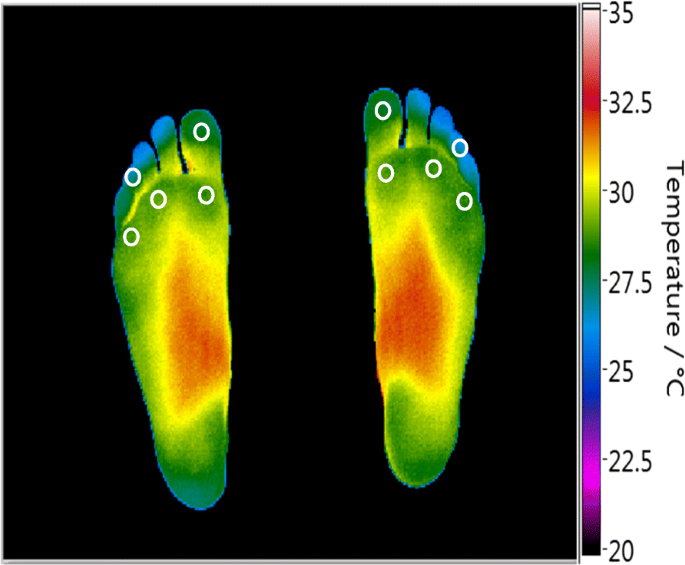
International guidance links daily foot checks, risk awareness, and earlier action.
Read guidance → DIATEMPAt-home temperature monitoring is studied because inflammation can appear before skin breaks.
Read study → CDCFall prevention starts with spotting risk factors early and acting before injury.
Read guidance →Fortune 500 experience and specialist work in sensing, technical textiles, fitness, and diabetic-foot care.
Founder and CEO · Three exits. Leads product and partnerships.
CTO · Stanford-trained mechanical engineer leading sensor hardware and device design.
Head of Engineering · Stanford-trained AI researcher developing gait and pressure intelligence.
ANTA materials R&D experience. Leads textile comfort and manufacturing.
USC professor and diabetic-foot specialist. Guides clinical relevance and evaluation.
“I can’t always feel when something is changing in my feet. Seeing pressure and temperature trends would help me know when to check in with my care team.”
“I want to train hard and recover well. Understanding how much load each foot takes would help me make smarter decisions between workouts.”
“Small changes in my stride are easy to miss. I’d use that insight to adjust my training, avoid injury, and keep working toward a faster run.”
Get early access and product updates from Mi Terro.