
Gout Flares: What Temperature Can and Cannot Tell You
Key takeaways
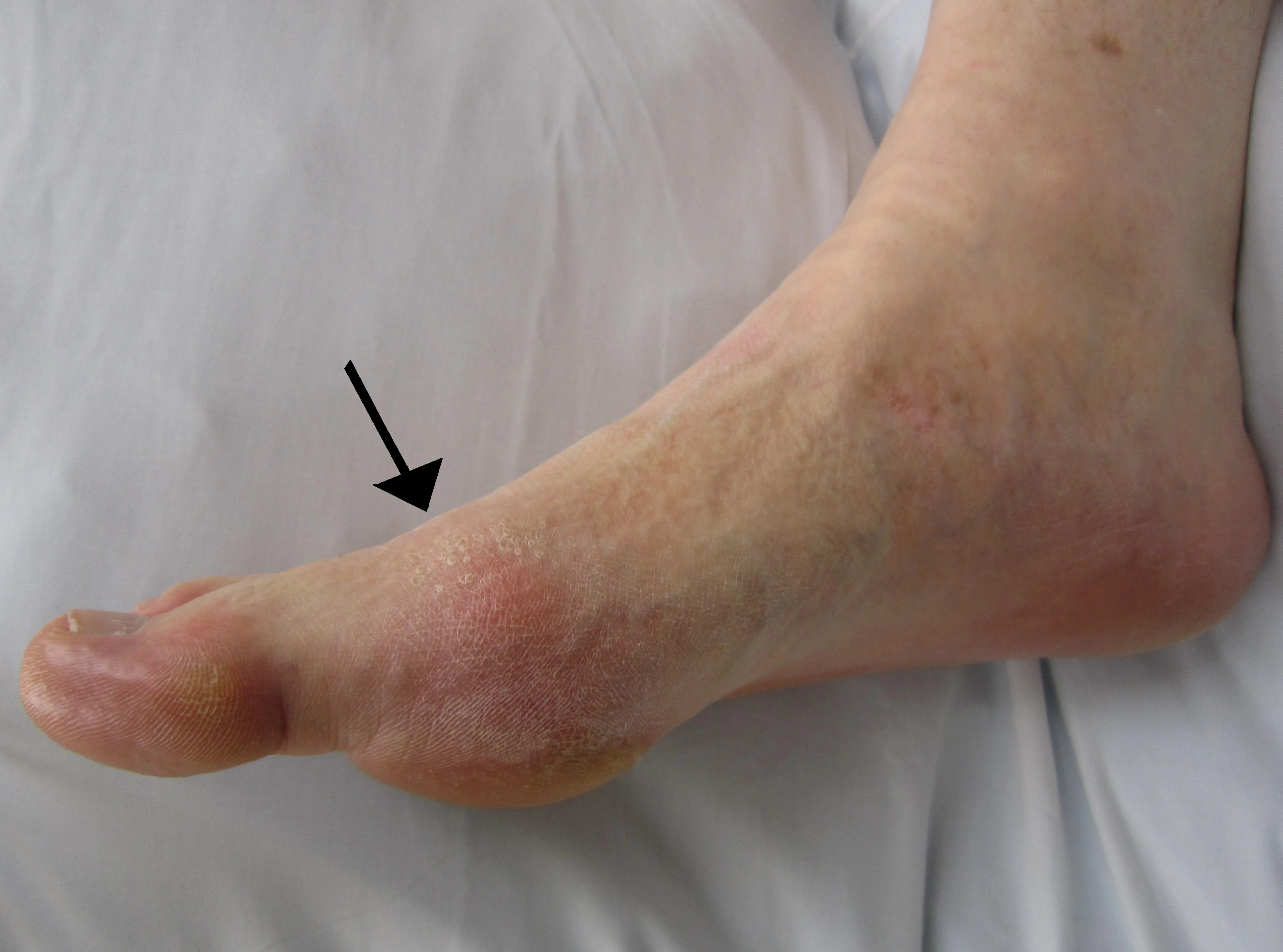
- The first metatarsophalangeal joint — the base of the big toe — is the classic site for a first gout attack. This presentation is called podagra.
- Many people describe a prodrome: a few hours of vague discomfort, tingling, or stiffness in the joint before the acute pain begins. It is not universal and it is not reliable.
- A gout flare is an acute inflammatory event, and inflammation produces heat and swelling. Localised temperature rise is therefore a plausible early signal, though this is an area of active research rather than settled clinical practice.
What a gout flare is
Gout is caused by monosodium urate crystals forming in and around a joint. When the immune system reacts to those crystals, the result is an intensely painful, acute inflammatory arthritis — hot, red, swollen, and often so tender that a bedsheet is unbearable.
The base of the big toe is the classic first target. Attacks frequently begin at night.
The prodrome
Many people with recurrent gout report that they can sometimes tell a flare is coming: a few hours of niggling discomfort, stiffness, warmth, or an odd sensation in the joint before the pain arrives properly.
This prodrome is real, but it is inconsistent and subjective. It is not something you can build a treatment plan around on its own — which is precisely what makes an objective signal interesting.
Why temperature is a plausible signal
Acute inflammation is a thermal event. Blood flow to the joint rises, and the tissue becomes warm — this is one of the classic clinical signs of inflammation and it is directly observable on examination.
A sensor positioned near an inflamed joint may measure a temperature change, but whether that change reliably precedes a gout flare is not established. The first metatarsophalangeal joint is located where a sock can maintain contact, which makes this a research question worth testing.
The honest state of the evidence
This is a promising hypothesis rather than an established clinical tool. Foot temperature monitoring has a strong evidence base in diabetic foot ulcer prevention; applying continuous thermometry to gout flare prediction is a newer idea and needs prospective validation before anyone should make firm claims about it.
Mi Terro Care Socks are designed to track temperature patterns. Establishing whether those patterns reliably precede a gout flare requires prospective validation and is not a settled product claim.
What is definitely within your control
- Urate-lowering therapy, if prescribed, taken consistently. This is the intervention that actually reduces flare frequency over time by lowering serum urate below the saturation point.
- Knowing your triggers. Alcohol, particularly beer, high-purine foods, dehydration, and rapid weight change are common ones.
- Having a flare plan agreed with your clinician so that treatment starts as early as possible when one begins. Earlier treatment shortens flares.
- Not stopping urate-lowering therapy during a flare unless told to.
Any future use of wearable temperature information for gout would still require a clinician-guided response plan. Get the plan first.
Frequently asked questions
Where does gout usually strike first?
The first metatarsophalangeal joint — the base of the big toe — is the classic site for a first gout attack. This presentation is called podagra.
Do gout flares give warning?
Many people describe a prodrome: a few hours of vague discomfort, tingling, or stiffness in the joint before the acute pain begins. It is not universal and it is not reliable.
Can a wearable detect a gout flare early?
A gout flare is an acute inflammatory event, and inflammation produces heat and swelling. Localised temperature rise is therefore a plausible early signal, though this is an area of active research rather than settled clinical practice.
Sources and further reading
- NIAMS: GoutSymptoms, causes, common flare locations, and medical evaluation.
- Review of Textile-Based Temperature SensorsTemperature-sensor approaches, benefits, and technical challenges.
See your own foot-level patterns.
Mi Terro is designed to track temperature, pressure, gait, and activity trends during daily wear. It supports awareness, not diagnosis.
Try Smart Socks NowMedical disclaimer: This article is general educational information, not medical advice. Mi Terro Smart Socks are not intended to diagnose, treat, cure, or prevent disease. Contact a qualified healthcare professional about symptoms, open wounds, sudden swelling, spreading redness, or other urgent concerns.